

10 Signs You Need a Plumber: A Canadian Homeowner's Guide
Water is essential to daily life, but plumbing problems can quickly turn into expensive disasters. As a Canadian homeowner, knowing when to call a licensed plumber can save you thousands of dollars in water damage and prevent serious health hazards from mold or sewage. Whether you are in British Columbia, Alberta, Ontario, or Quebec, recognizing these 10 plumbing warning signs early is the key to protecting your home and your budget.
Plumbing emergencies don't follow business hours, and the cost of ignoring warning signs can escalate rapidly. Professional plumbers across Canada typically charge between $150–$250 CAD for service calls, with repairs ranging from $300–$2,000 CAD depending on complexity. While this might seem expensive upfront, it's considerably less than addressing water damage that can cost $10,000–$50,000 CAD to remediate.
1. Persistent Dripping Faucets
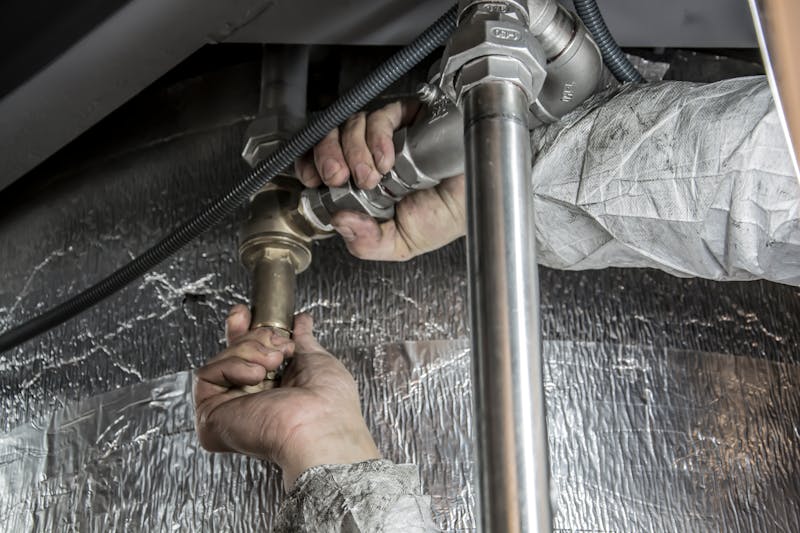
A single dripping faucet might seem minor, but it wastes approximately 3,000 gallons of water annually - equivalent to about $150–$200 CAD in wasted water costs. Beyond the financial impact, constant dripping indicates wear in the valve seat or washers, components that professional plumbers can replace quickly and affordably.
In older Ontario and Quebec homes, mineral deposits from hard water can accelerate faucet deterioration. Don't delay on this issue; what starts as a minor repair often becomes a complete fixture replacement if ignored for months.
2. Low Water Pressure
Weak water pressure throughout your home suggests a more serious underlying issue. Common causes include:
- Mineral buildup in aerators or pipes
- Water leaks in hidden lines
- Issues with your municipality's water main
- Corroded galvanized pipes (common in homes built before the 1980s)
- Problems with your water pressure regulator
If pressure is low in one location only, the issue is localized. If it affects your entire home, call a licensed plumber immediately. In Alberta and BC, where homes often have well water systems, low pressure might indicate a failing pressure tank - a $1,500–$3,000 CAD replacement.
3. Slow or Clogged Drains
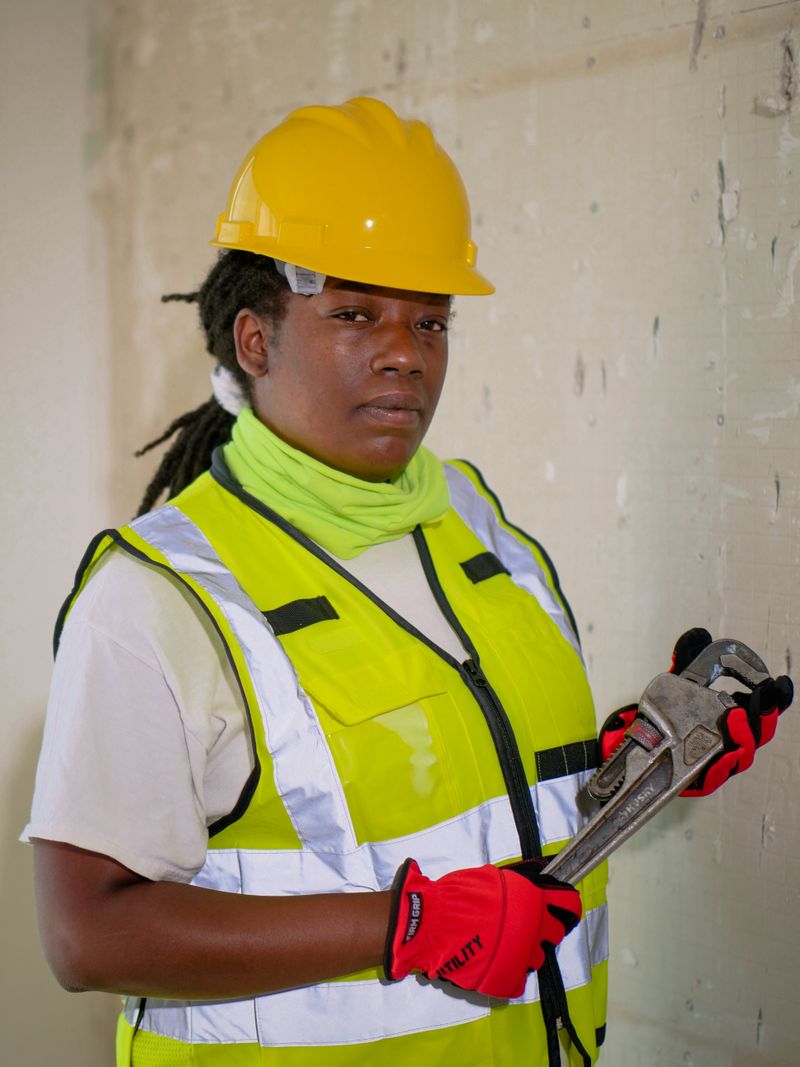
While a plunger can sometimes clear minor clogs, recurring slow drains signal buildup within your pipes. Hair, soap scum, grease, and mineral deposits accumulate over time, restricting water flow. Professional drain cleaning using hydro-jetting costs $250–$500 CAD but prevents backups that could damage your home's foundation.
Don't rely solely on chemical drain cleaners; they can corrode pipes and create environmental hazards. A professional plumber can identify whether your issues stem from kitchen grease, bathroom hair accumulation, or structural pipe problems.
4. Visible Water Leaks
Any visible water pooling under sinks, around water heaters, or on basement floors demands immediate attention. Even small leaks waste water and create conditions for mold growth and structural damage. Water damage remediation in Canadian homes averages $5,000–$25,000 CAD, depending on severity.
Common leak sources include:
- Deteriorated supply line connections under sinks
- Corroded water heater tanks
- Frozen or burst pipes (especially critical in Canadian winters)
- Cracked toilet flanges
Addressing leaks within 24 hours prevents cascading damage. In provinces like BC and Alberta, where temperatures drop significantly, frozen pipes can rupture and cause catastrophic water damage costing $15,000–$40,000 CAD.
5. Unusual Noises from Pipes
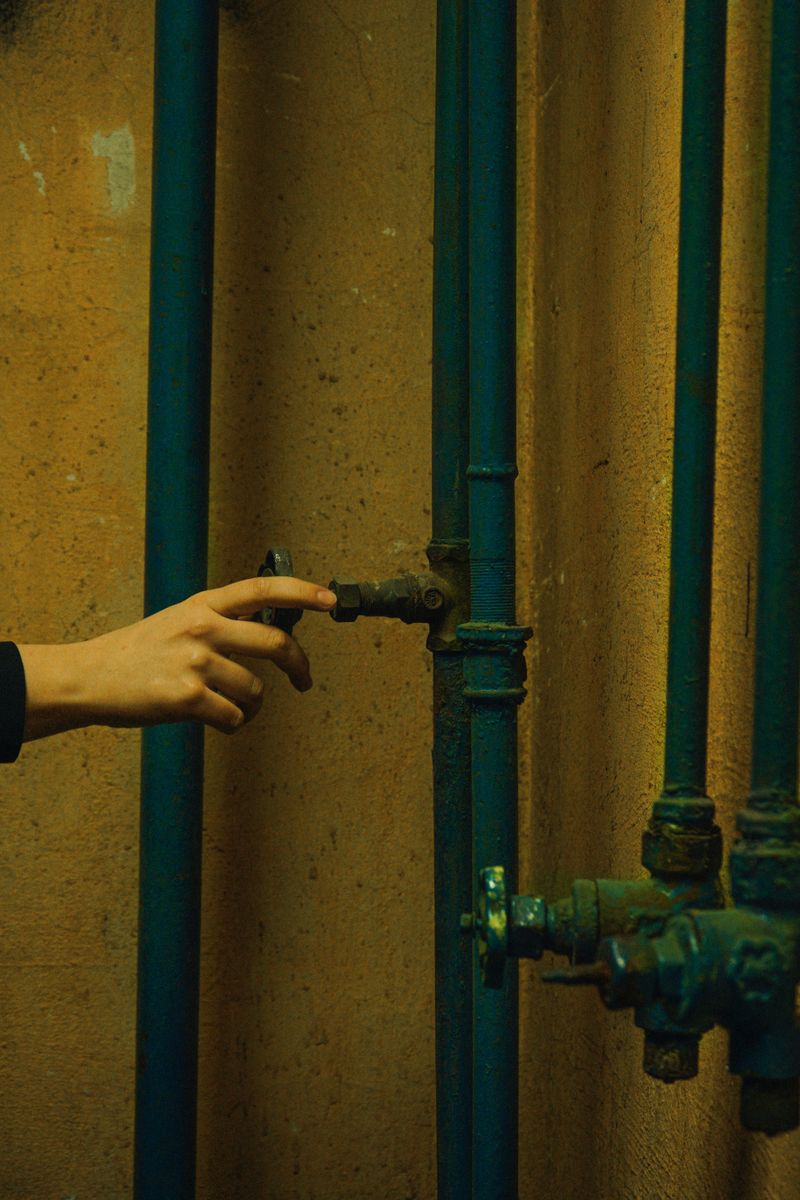
Banging, whistling, or rattling sounds indicate pressure issues, water hammer, or loose pipe fittings. While sometimes annoying, these noises suggest your pipes are stressed and may fail soon. Water hammer - a loud clanging sound - occurs when fast-flowing water suddenly stops, creating pressure waves that damage pipes.
Professional diagnosis costs $150–$200 CAD for a service call but can identify issues before they become emergencies. In older Toronto and Montreal homes with original galvanized piping, strange noises often precede leaks or bursts.
6. Discolored or Foul-Smelling Water
Brown, yellow, or rusty-colored water indicates corrosion inside your pipes or issues with your home's water lines. Foul odors suggest bacterial contamination or sewage backup - serious health concerns requiring immediate professional intervention.
If only hot water is discolored, your water heater likely needs flushing or replacement ($1,000–$3,000 CAD). If cold water is affected, contact your municipality first to rule out main line issues, then call a plumber if the problem persists on your property.
7. Sewage Odors Inside Your Home

Unpleasant sewage smells indicate broken sewer lines, damaged P-traps, or backed-up systems. This is both a health hazard and an environmental concern requiring professional assessment immediately. Sewer line repairs range from $3,000–$8,000 CAD for localized fixes to $15,000–$30,000 CAD for complete replacement.
In older Canadian neighborhoods where clay or cast iron sewer lines are common, tree root intrusion is a frequent cause. Professional plumbers use camera inspection (around $300–$500 CAD) to identify exact problem locations before excavation.
8. Running Toilet
A toilet that continuously runs or fills is wasting up to 200 gallons of water daily - potentially $50–$100 CAD monthly in wasted water. Most running toilets result from a faulty fill valve or flapper, repairs costing $150–$300 CAD, far less expensive than water waste over time.
This common issue is particularly prevalent in older Ontario and Quebec homes. Ignoring it also increases strain on your septic system if you're not on municipal sewers.
9. Frequent Backups or Overflowing Toilets
If toilets back up or multiple drains overflow simultaneously, your main sewer line is likely blocked or damaged. This is a serious emergency requiring professional drain cleaning or sewer line repair. Costs range from $500–$2,000 CAD for cleaning to $8,000–$30,000 CAD for replacement.
Signs of main line issues include:
- Slow drainage from all fixtures
- Backup in lowest-level drains (typically basements)
- Sewage odors in yard or home
- Patches of unusually green grass (septic issue)
10. Water Heater Problems
If your water heater is over 10 years old, making rumbling noises, leaking, or producing inconsistent temperatures, replacement is likely necessary. Water heaters are one of the most expensive home appliances to replace in Canada, ranging from $1,500–$3,500 CAD depending on type and size.
Traditional tank heaters typically last 10–12 years, while tankless models last 15–20 years. Professional installation is essential to ensure proper venting, safety, and warranty coverage. In provinces like Alberta and BC, energy-efficient models may qualify for rebates worth $200–$500 CAD.
FAQ: Common Plumbing Questions from Canadian Homeowners
How often should I have my plumbing system professionally inspected?
Most plumbers recommend annual inspections for homes over 20 years old, particularly if you have galvanized pipes. Newer homes (under 10 years) may only need inspections every 2–3 years. If you notice any warning signs from this list, don't wait for your scheduled inspection - call immediately.
Can I prevent frozen pipes during Canadian winters?
Yes. Insulate exposed pipes in basements and crawl spaces, allow faucets to drip during extreme cold, open cabinet doors to allow warm air circulation, and maintain consistent home temperatures even when away. Pipe insulation foam costs $10–$20 CAD per roll. If pipes freeze, call a plumber rather than using heat sources that could damage your home.
Are plumbing repairs covered by homeowner's insurance in Canada?
Standard policies typically cover sudden, accidental damage (like burst pipes) but not wear-and-tear repairs. Check your specific policy. Some insurers offer water damage coverage add-ons for $200–$500 CAD annually, worthwhile protection given potential repair costs.
What's the difference between a licensed plumber and an unlicensed contractor?
Licensed plumbers in Canada have completed apprenticeships, passed examinations, and maintain liability insurance. Hiring unlicensed contractors risks poor work, voided warranties, and potential code violations. Always verify credentials through your provincial trades authority before hiring.
Conclusion: Professional Help When You Need It
Plumbing problems won't resolve themselves, and delaying professional help often results in expensive damage. Whether you're dealing with a simple dripping faucet or a complex sewer line issue, recognizing warning signs early protects your home and wallet. Canadian homeowners should keep contact information for local, licensed plumbers readily available - much like you would for electricians or HVAC specialists.
When you need reliable service, Find a Plumber Near You through Local Skilled Trades, where we connect homeowners across Canada with vetted, professional plumbing contractors. Our directory includes licensed plumbers in BC, Alberta, Ontario, Quebec, and beyond, all ready to address your urgent plumbing needs with professional expertise and fair pricing.
Local Skilled Trades Editorial
Home Services Expert