

Emergency Roof Repair: What Canadian Homeowners Should Know
A damaged or leaking roof is one of the most stressful emergencies a Canadian homeowner can face. Whether it is caused by a hailstorm in Alberta, a heavy snowfall in Ontario, or a windstorm in British Columbia, a roof in distress demands quick action to prevent water damage, mold growth, and structural problems that can cost tens of thousands of dollars to repair. Acting fast and knowing the right steps can significantly limit the damage and protect your insurance claim.
In Canada, where weather conditions range from heavy snow loads in BC and Alberta to ice storms in Ontario and Quebec, roof emergencies are surprisingly common. Understanding what constitutes an emergency, how to respond, and what to expect from professional roofers can save you time, money, and headaches.
What Counts as a Roof Emergency?
Not every roof issue requires emergency repair, but some certainly do. An emergency typically involves an active leak, significant structural damage, or a situation where your home's interior is at immediate risk. Here's what qualifies:
- Active leaks during rain or snowmelt – Water actively entering your home is a priority
- Missing shingles or large patches of damage – Exposing underlying materials to the elements
- Sagging roof sections – A potential sign of structural compromise
- Tree damage – Fallen branches or trees that have punctured the roof or compromised its integrity
- Severe wind damage – After storms, when shingles are lifted or torn away
- Ice dams causing water backup – Common in Ontario, Quebec, and Alberta winters
- Visible daylight through the attic – Indicates significant openings in the roof structure
Minor issues like small cracks, single missing shingles, or minor wear can usually wait for scheduled repairs, but it's wise to have a professional assess the situation within a week or two.
Immediate Steps to Take When Your Roof Is Damaged
1. Ensure Safety First
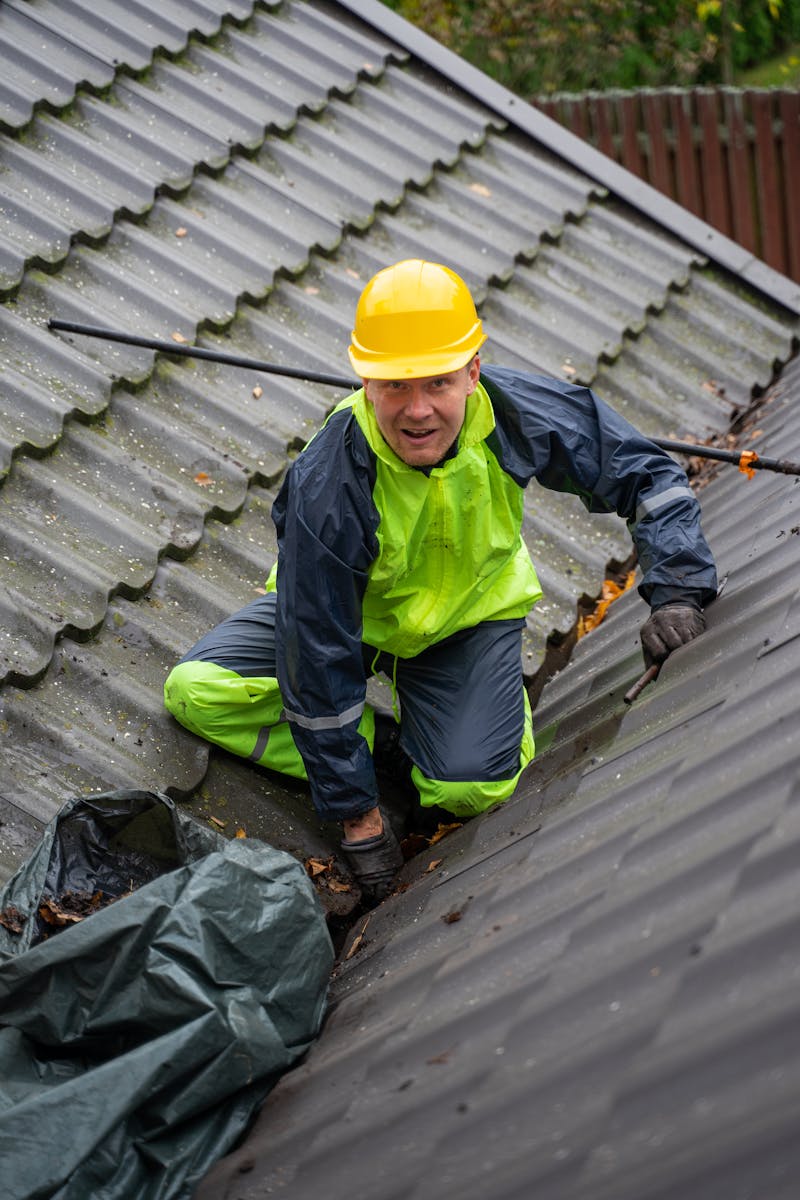
Before attempting any inspection or temporary repair, make sure it's safe to do so. If your roof is steeply pitched, icy, or wet, don't climb on it. Falls from roofs cause serious injuries and even fatalities. Similarly, avoid electrical hazards from downed power lines, which sometimes happen after severe storms.
2. Document the Damage
Take photos and videos of the damage from ground level and from inside your home (leaks, water stains, etc.). This documentation is crucial for insurance claims and helps roofers understand the full extent of the problem before they arrive. Most Canadian homeowners' insurance policies cover emergency roof damage from storms or unexpected events, though coverage varies.
3. Contain Interior Water Damage
If water is actively leaking inside your home, place buckets under the leak and use towels to direct water toward the buckets rather than letting it spread across floors or damage belongings. Open windows or attic vents if safe to do so to improve air circulation and prevent mold.
4. Apply Temporary Protection (If Safe)
If you can safely access your roof from a ladder and the damage is limited, you might apply a heavy-duty tarp secured with 2x4s and nails. This is strictly a temporary measure to prevent rain from causing additional interior damage. Never attempt permanent repairs yourself unless you're a trained roofer.
5. Call a Professional Immediately
Contact a licensed roofing contractor right away. During peak storm seasons (spring in BC and Alberta, winter in Ontario and Quebec), emergency roofers may be busy, but many offer same-day or next-day assessments. Explain that you have active leaks or significant damage to prioritize your call.
What to Expect During an Emergency Roof Repair
The Assessment
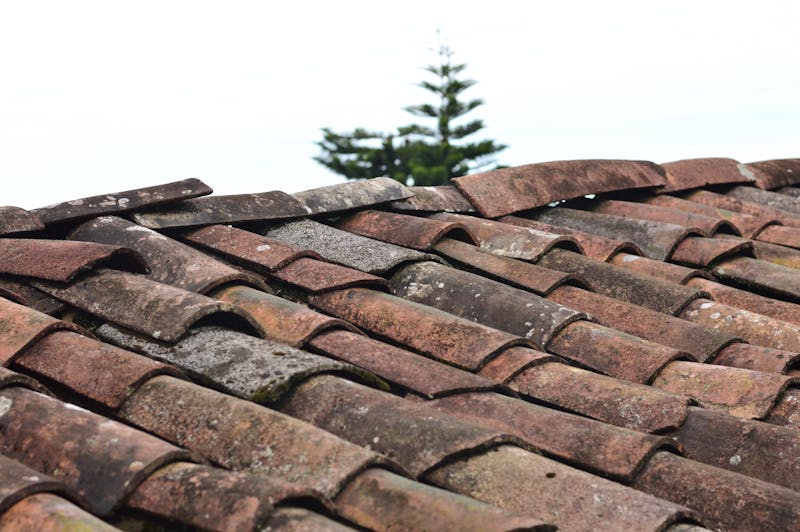
A professional roofer will inspect both the exterior damage and interior effects. They'll look for water entry points, assess structural integrity, and determine whether the repair can be temporary (lasting until better weather or a scheduled replacement) or must be permanent. In Canada's climate, roofers often recommend temporary repairs in winter, with permanent solutions once conditions improve.
Repair vs. Replacement
Emergency repairs typically focus on stopping leaks and preventing further damage. Small areas of damage might be patched (CAD $300–$800), while more extensive damage may require section replacement (CAD $1,500–$4,000 depending on roof size and material). Full roof replacement, if necessary, ranges from CAD $8,000–$25,000+ for residential homes, varying by province, roof pitch, and materials.
Timeline and Costs
Emergency repairs usually happen within 24–48 hours, especially if you call early in the day. Weekend or holiday emergencies may take longer. Emergency call-out fees typically range from CAD $150–$300, though this is often waived if you proceed with repairs through that contractor.
Temporary tarping solutions cost CAD $400–$1,200 and might last several months. Permanent patch repairs for small areas run CAD $500–$1,500. Labor costs vary by province: roofers in major Ontario and Quebec cities tend to charge more than those in smaller Alberta or BC communities, with hourly rates ranging from CAD $75–$150.
Roof Emergency Prevention and Maintenance
While not all emergencies are preventable, regular maintenance significantly reduces your risk:
- Annual inspections – Have a professional roofer inspect your roof each fall before winter weather arrives
- Keep gutters clean – Clogged gutters cause water backup and ice dams, especially in cold climates
- Trim overhanging branches – Reduces the risk of branch damage during storms
- Ensure proper attic ventilation – Reduces ice dam formation and extends shingle life
- Check for signs of wear – Missing, curled, or granule-losing shingles signal aging
- Understand your roof's age – Most asphalt shingles last 20–25 years in Canada; proactive replacement is cheaper than emergency repairs
Insurance and Emergency Roof Repair

Canadian homeowners' insurance typically covers sudden, unexpected roof damage from storms, falling trees, or accidents. However, damage from lack of maintenance, wear and tear, or neglect is usually not covered.
After an emergency, contact your insurance company promptly and provide your documentation. Many insurers require you to take reasonable steps to prevent further damage (like applying a tarp), and they may recommend preferred contractors. Get quotes from multiple roofers to compare; your insurer will assess the estimate and often covers a percentage or the full cost minus your deductible.
Choosing the Right Emergency Roofer

When you're in crisis mode, it's tempting to call the first available contractor. However, a few quick checks protect you:
- Verify they're licensed and insured in your province
- Ask for references or online reviews
- Get a written estimate before work begins
- Ensure they provide a warranty on repairs (typically 5–10 years)
- Check if they're available for follow-up if issues arise
Frequently Asked Questions About Emergency Roof Repairs
How quickly do I need to repair a roof leak?
Very quickly. Water damage accelerates rapidly, leading to mold, structural rot, and insulation damage within days. Interior water stains suggest the leak has been active for some time. Contact a roofer within 24 hours of discovering an active leak.
Can I make an insurance claim for emergency roof repairs?
Yes, if the damage is sudden and covered under your policy (storm damage, falling trees, etc.). Document everything, get professional assessments, and report to your insurer promptly. Wear and tear or neglected maintenance typically aren't covered.
How long does a temporary roof repair last?
A properly installed tarp or temporary patch can last 3–6 months, sometimes longer depending on weather. However, these are stopgap measures. Plan for permanent repairs as soon as conditions allow or budget allows.
What's the difference between a roofer and a roofing contractor?
Licensed roofers are trained and certified tradespeople. Roofing contractors may be companies that employ roofers. Always verify that whoever you hire has proper credentials and insurance in your province - requirements vary between BC, Alberta, Ontario, and Quebec.
Protect Your Home: Get Professional Help Today
Roof emergencies are stressful, but they're manageable with quick action and professional help. Don't let a damaged roof turn into a financial catastrophe. Whether you need emergency repairs or want to schedule preventive maintenance, connecting with a qualified, licensed roofer is your first step toward protecting your home and family.
Local Skilled Trades makes it easy to find trusted roofing professionals in your area. Browse licensed, vetted roofers, read reviews from other Canadian homeowners, and get connected to someone who can help - today. Find a Roofer Near You and take control of your roof emergency right now.
Local Skilled Trades Editorial
Home Services Expert