

Heat Pump vs Furnace in Canada: Which Is Right for You?
Choosing between a heat pump and a furnace is one of the most important decisions Canadian homeowners face when upgrading their heating system. Both technologies have distinct advantages, and the right choice depends on your climate zone, budget, and long-term energy goals. In British Columbia and milder provinces, heat pumps are increasingly the preferred choice. In Alberta's harsh winters, a high-efficiency furnace or dual-fuel system may be more practical. This guide breaks down the key differences to help you decide in 2026.
Understanding the Basics: How They Work
Furnaces are traditional heating systems that generate warmth by burning natural gas, propane, or electricity. They distribute hot air through ductwork to warm your home. Furnaces have been the standard in Canadian homes for decades and remain popular across provinces like Ontario, Quebec, and Alberta.
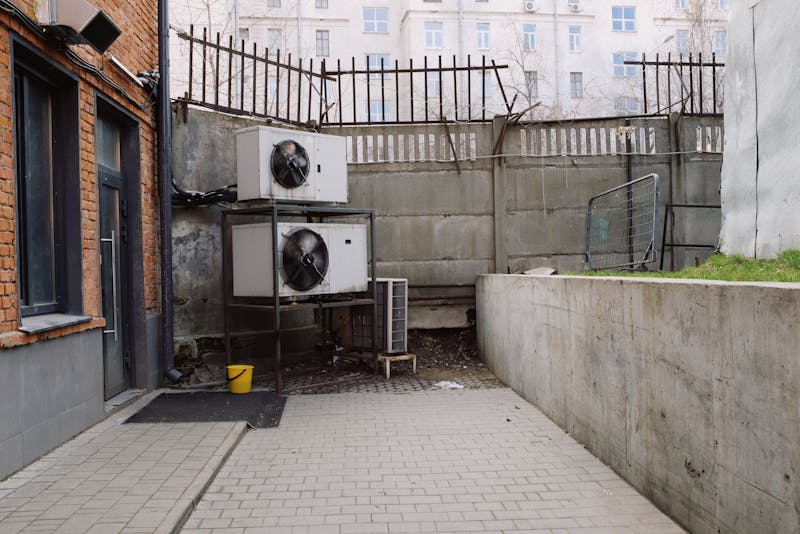
Heat pumps operate differently. They transfer heat from outside air (or ground) into your home during winter, and reverse the process in summer for cooling. Modern heat pumps, particularly air-source and ground-source models, have become increasingly efficient in cold climates, making them viable alternatives even in provinces like British Columbia and parts of Alberta.
Climate Considerations for Canadian Homeowners
Canada's diverse climate zones significantly impact heating system performance. Heat pumps traditionally struggled in extreme cold, but technological advances have changed this dramatically.
Cold Climate Regions (Prairie Provinces, Northern Ontario): If you live in areas with temperatures regularly dropping below −15°C, a traditional furnace or a cold-climate heat pump may be your best bet. Modern cold-climate heat pumps, rated down to −25°C or lower, are now practical options in Alberta and Saskatchewan.
Moderate Climate Regions (Southern Ontario, Southern Quebec, Vancouver Area): Standard air-source heat pumps perform exceptionally well in these regions, often eliminating the need for a backup furnace entirely.
Initial Installation Costs in Canada (2026)
Budget is a critical factor. Here's what you can expect to pay across Canada:
- Furnace Installation: $4,500–$8,500 CAD for a mid-to-high-efficiency natural gas furnace, plus $1,000–$2,500 for ductwork modifications if needed.
- Air-Source Heat Pump: $8,000–$15,000 CAD for a complete system, including installation and indoor unit.
- Ground-Source Heat Pump: $20,000–$35,000+ CAD due to drilling requirements, but eligible for significant government rebates.

While heat pumps have higher upfront costs, several Canadian federal and provincial incentive programs can offset expenses:
- Federal Canada Greener Homes Grant: Up to $5,000 for heat pump installation.
- Provincial Rebates: Ontario, Quebec, and British Columbia offer additional incentives.
- Utility Rebates: Many local utilities provide discounts for upgrading to efficient heat pumps.
Operating Costs and Energy Efficiency
This is where heat pumps shine financially. Heat pumps use significantly less energy than furnaces because they move heat rather than generate it.
Annual Heating Costs (Typical 2,000 sq. ft. Home):
- Natural Gas Furnace: $1,200–$1,800 CAD per year (assuming current natural gas rates of $0.09–$0.12 per cubic meter).
- Air-Source Heat Pump: $700–$1,100 CAD per year (even in colder regions, depending on electricity rates).
- Ground-Source Heat Pump: $600–$900 CAD per year.
Over a 15-year lifespan, a heat pump can save $7,500–$12,000 in heating costs alone. Combined with federal and provincial rebates, the payback period typically ranges from 5–10 years.
Environmental Impact and Sustainability
For homeowners concerned about their carbon footprint, heat pumps offer clear advantages. They produce zero direct emissions and reduce your home's reliance on fossil fuels. As Canada's electricity grid continues to shift toward renewable energy - particularly in British Columbia and parts of Ontario - heat pumps become increasingly green over time.
Traditional furnaces, while efficient, continue to burn natural gas and contribute to greenhouse gas emissions. This has prompted several Canadian municipalities to encourage heat pump adoption through incentive programs and updated building codes.
Heating Performance in Canadian Winters
Furnaces maintain consistent, high-temperature output regardless of outdoor conditions. If your home's thermostat is set to 21°C, a furnace will reliably deliver that temperature, even during −30°C cold snaps.
Heat Pumps in modern systems are highly efficient until very cold temperatures. At −20°C and below, a backup heating element (auxiliary heat) may activate automatically, using more electricity. However, this rarely extends heating costs significantly, and most Canadian heat pump users report satisfaction with winter comfort.
Summer Cooling Capability
A major advantage of heat pumps: they provide integrated air conditioning. If you install a heat pump, you eliminate the need for a separate AC unit, saving $3,000–$6,000 CAD and valuable attic or outdoor space.
Furnaces provide no cooling function, so homeowners in warmer regions of Canada often pair them with window units or central AC systems, adding expense and complexity.
Maintenance Requirements and Longevity
Furnaces typically last 15–20 years with annual tune-ups. Maintenance involves annual inspections, filter replacements, and occasional component repairs (roughly $150–$300 CAD annually for professional maintenance).
Heat Pumps generally last 15–25 years and require similar annual maintenance (filter changes, refrigerant checks, coil cleaning). Because they have fewer combustion components, some homeowners report lower maintenance costs, though professional servicing is equally important.
Noise Levels
Modern heat pumps are significantly quieter than older models. An outdoor unit produces roughly 50–55 decibels - comparable to a refrigerator. Furnaces produce noise primarily when the blower cycles on, typically 70–80 decibels. If noise is a concern, both systems can be equipped with sound-dampening accessories.
Frequently Asked Questions
Q: Can a heat pump work in extreme Canadian winters?
Yes. Cold-climate heat pumps are specifically engineered for provinces like Alberta, Saskatchewan, and northern Ontario. They can operate efficiently down to −25°C or lower. However, in areas regularly reaching −30°C or below, a backup furnace or hybrid system may be advisable.
Q: What are the tax benefits of installing a heat pump in Canada?
Homeowners can access the federal Canada Greener Homes Grant (up to $5,000), provincial rebates in Ontario and Quebec, and utility company incentives. Additionally, some provinces offer enhanced deductions on home energy audit costs. Consult a local HVAC contractor to understand programs available in your area.
Q: Is it possible to have both a furnace and a heat pump?
Absolutely. A hybrid system uses the heat pump as the primary heating source and automatically switches to the furnace when temperatures drop below a set threshold. This approach is popular in provinces with variable winters and typically costs $12,000–$18,000 CAD installed, offering the best of both technologies.
Q: How do I choose between ductless and ducted heat pumps?
Ducted systems work with existing furnace ductwork and provide whole-home heating. Ductless mini-split systems are ideal for homes without ducts or for zone heating. Both are efficient; your choice depends on your home's layout and your budget ($8,000–$15,000 for ducted; $6,000–$12,000 for ductless).
Make Your Decision with Professional Guidance
Choosing between a heat pump and a furnace requires evaluating your climate, budget, long-term energy costs, and environmental values. While furnaces remain reliable, heat pumps offer superior efficiency, lower operating costs, and integrated cooling - making them an increasingly smart investment for Canadian homeowners.
To explore your options further and connect with certified heating professionals in your area, visit Find an HVAC Contractor Near You through Local Skilled Trades. Our directory features vetted contractors across Canada ready to assess your home and provide personalized recommendations.
Local Skilled Trades Editorial
Home Services Expert