

How to Choose a Contractor in Canada: A Homeowner's Guide
Hiring the right contractor is one of the most important decisions you will make as a Canadian homeowner. Whether you are planning a kitchen renovation in Toronto, a roof repair in Calgary, or a full home renovation in Vancouver, selecting a qualified and reliable contractor can mean the difference between a successful project and a costly nightmare. This guide walks you through every step of the process, from verifying licences to comparing quotes and signing a contract.
Why Choosing the Right Contractor Matters
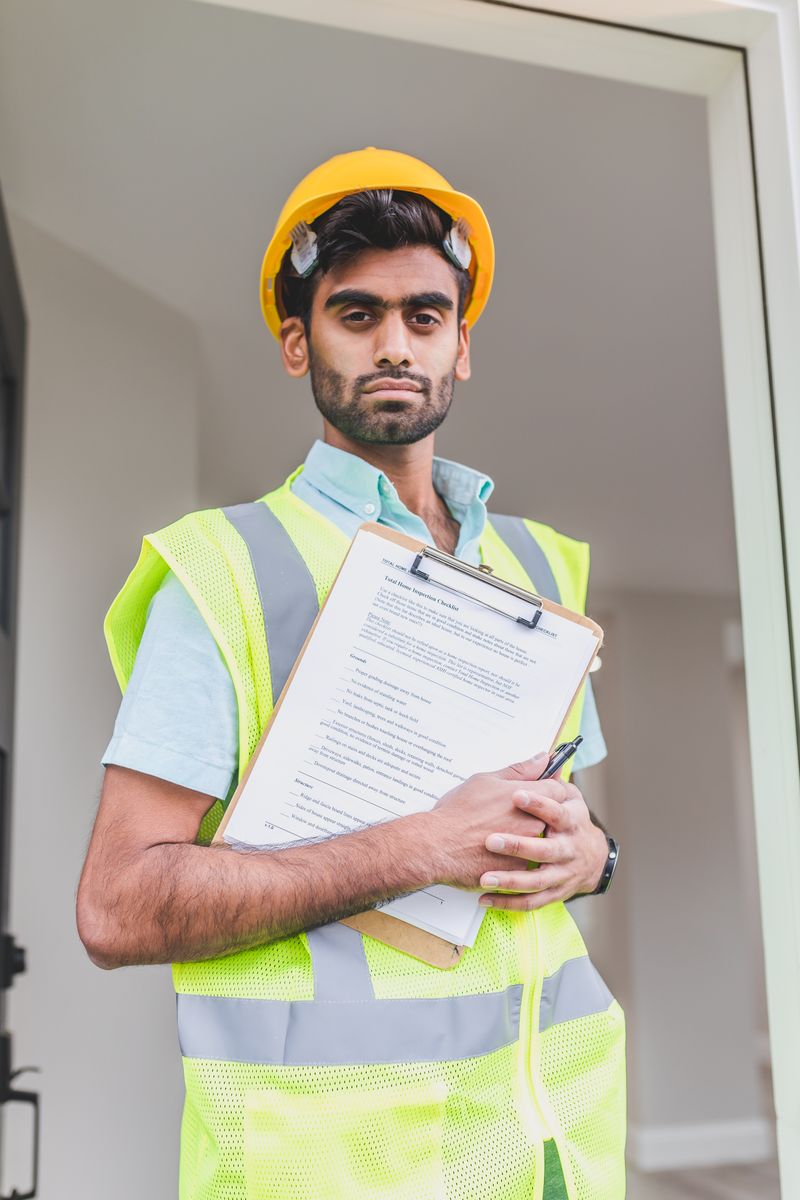
Construction projects are significant investments. The average home renovation in Canada ranges from $15,000 to $75,000 CAD, depending on scope and location. A poor choice can lead to incomplete work, cost overruns, safety issues, and legal complications. Conversely, hiring a qualified contractor ensures quality workmanship, adherence to timelines, and compliance with local building codes across provinces like British Columbia, Alberta, Ontario, and Quebec.
Step 1: Define Your Project Scope and Budget
Before you start searching for a contractor, have a clear understanding of what you want to accomplish.
- Define the project clearly: Are you doing a minor repair, renovation, or new construction? The more specific you are, the better contractors can provide accurate quotes.
- Establish a realistic budget: Research typical costs in your region. For example, a bathroom renovation in Ontario typically ranges from $12,000 to $40,000 CAD, while similar work in Alberta might be $10,000 to $35,000 CAD.
- Create a timeline: Determine when you need the work completed and communicate this expectation upfront.
- Gather inspiration: Collect photos, sketches, or specifications of what you envision for your project.
Step 2: Get Recommendations and Research Contractors

Start your search by gathering recommendations from trusted sources and conducting thorough research.
- Ask friends and family: Personal referrals from people you trust are invaluable. Ask about their experiences, the quality of work, and whether the contractor stayed on budget and timeline.
- Check online reviews: Look for contractors on Google, Yelp, and HomeStars. Read both positive and negative reviews to understand how they handle concerns.
- Verify credentials: Confirm that the contractor is properly licensed and insured in your province. Each province has specific requirements - for instance, Ontario requires WSIB coverage for most construction work.
- Use local directories: Resources like Local Skilled Trades help you find verified contractors in your area with detailed profiles and credentials.
Step 3: Check Licensing, Insurance, and References

Never skip this critical step. Proper licensing and insurance protect both you and the contractor.
- Verify licensing: In BC, check the Home Inspector Registry for renovators. In Alberta, verify contractors with the Alberta One-Call system. Ontario requires proper licensing through municipality-specific regulations. Quebec contractors must comply with Régie du bâtiment du Québec standards.
- Confirm insurance coverage: Ensure the contractor carries liability insurance (typically $2 million CAD) and Workers' Compensation coverage (WSIB in Ontario, WCB in Alberta, etc.).
- Request references: Ask for at least three recent project references. Contact them and ask about the quality of work, professionalism, and whether the project stayed on schedule and budget.
- Check complaint history: Search provincial licensing boards for any unresolved complaints or disciplinary actions.
Step 4: Get Multiple Quotes

Always obtain at least three written quotes from different contractors before making a decision. This helps you understand the market rate and ensures competitive pricing.
What to include in your quote request:
- Detailed scope of work with specifications
- Timeline and project schedule
- Payment terms and schedule
- Warranty information (typically 1–5 years depending on the work)
- Breakdown of labour and material costs
- Clarification on who handles permits and inspections
Be cautious of quotes significantly lower than others - this may indicate corner-cutting or hidden costs later. Similarly, extremely high quotes might not always mean better quality. Look for quotes that are detailed, reasonable, and fall within your budget expectations.
Step 5: Conduct Interviews and Ask the Right Questions
Once you have your quotes, schedule interviews with your top candidates. This gives you a chance to assess their communication style, professionalism, and whether you feel comfortable working with them.
Key questions to ask:
- How long have you been in business?
- Can you provide examples of similar projects you've completed?
- Who will supervise the work on my project?
- How will you handle unexpected issues or changes to the scope?
- What is your payment schedule, and do you accept partial deposits?
- Are you bonded, and what warranties do you offer?
- How do you handle communication - daily check-ins, weekly meetings?
- What is your timeline, and what could cause delays?
Step 6: Review the Contract Carefully

Once you've selected a contractor, ensure everything is documented in a detailed contract before work begins.
Essential contract elements:
- Complete project scope and specifications
- Total project cost and payment schedule
- Start and estimated completion dates
- Warranty terms and duration
- Insurance and liability information
- Permit responsibilities and costs
- Change order procedures and pricing
- Cleanup and site management expectations
- Dispute resolution procedures
Never pay the full amount upfront. A typical payment schedule might be: 25% deposit to start, 50% at project midpoint, and 25% upon completion. This protects you if the contractor abandons the project.
Step 7: Communicate and Monitor Progress
Throughout the project, maintain clear communication and regular check-ins. Schedule weekly progress meetings, document any concerns in writing, and photograph work as it progresses. Address any issues immediately rather than waiting until the end.
Common Contractor Costs in Canada (2026)
To help you benchmark your project, here are typical contractor costs across different Canadian regions:
- Kitchen renovation: $25,000–$60,000 CAD (BC/AB); $30,000–$70,000 CAD (ON/QC)
- Bathroom renovation: $10,000–$35,000 CAD (varies by province)
- Roof replacement: $8,000–$20,000 CAD for a typical home
- Deck/patio construction: $5,000–$15,000 CAD
- Full home renovation: $100,000–$300,000+ CAD depending on size and scope
Labour rates typically range from $50–$150 CAD per hour depending on the trade and experience level.
Red Flags to Avoid
Be wary of contractors who:
- Pressure you to decide quickly or don't provide written quotes
- Request 100% payment upfront or cash-only payments
- Lack proper licensing, insurance, or references
- Have numerous unresolved complaints or poor online reviews
- Are unwilling to discuss warranties or put terms in writing
- Avoid giving you a clear timeline or detailed scope
FAQ: Choosing a Contractor in Canada
What should I do if there's a problem with the work?
Address issues in writing immediately and give the contractor a reasonable chance to fix them. If they don't respond, send a formal demand letter. For serious disputes, contact your provincial licensing board, pursue mediation, or consult a lawyer. Many provinces offer dispute resolution services specifically for construction issues.
Do I need to get building permits, or is the contractor responsible?
This should be specified in your contract. Generally, contractors often handle the permit application process as part of their service, though the homeowner pays for the permit fees (typically $100–$500 CAD depending on the project size). Always clarify this before signing.
How much should I put down as a deposit?
A deposit of 25–30% of the total project cost is standard and reasonable. This covers initial materials and labour setup. Avoid contractors who demand more than 50% upfront, as it's a significant financial risk.
What if the contractor goes out of business mid-project?
This is why checking licensing, bonding, and insurance is critical. Some jurisdictions require contractors to carry surety bonds, which protect you financially. Always verify this protection before hiring.
Conclusion: Start Your Contractor Search Today
Choosing the right contractor requires diligence, research, and clear communication. By following these steps - defining your project, checking credentials, getting multiple quotes, and reviewing contracts carefully - you'll dramatically increase the likelihood of a successful outcome. Taking time upfront to vet contractors saves you money, stress, and headaches down the road.
Ready to find a qualified contractor in your area? Find a General Contractor Near You on Local Skilled Trades, Canada's trusted directory of verified home services professionals. Browse detailed contractor profiles, read customer reviews, and connect with skilled trades in your region today.
Local Skilled Trades Editorial
Home Services Expert