

How to Shut Off Water to Your House: A Complete Canadian Homeowner's Guide
Water emergencies can strike at any time. A burst pipe, a leaking toilet, or a malfunctioning water heater can cause thousands of dollars in damage within hours. Knowing how to quickly shut off the water supply to your home is one of the most important skills every Canadian homeowner should master, whether you are in Ontario, Alberta, British Columbia, or Quebec. This guide walks you through the process of finding and using your main shutoff valve and what to do if it fails.
Why You Need to Know How to Shut Off Your Water
Whether you're dealing with a frozen pipe in Alberta's bitter winters, a burst connection in British Columbia's rainy season, or an unexpected leak in Ontario's humid climate, the ability to immediately stop water flow can be the difference between minor repairs and major restoration work. Water damage repair costs in Canada typically range from $2,500 to $10,000 CAD depending on severity and location, making swift action essential.
Beyond emergencies, you may need to shut off water for routine maintenance, renovations, or before leaving your home unoccupied during winter months.
The Main Water Shut-Off Valve: Your First Line of Defence
Locating Your Main Shut-Off Valve
The main water shut-off valve controls all water entering your home. Its location depends on your home's age, location, and construction type:
- Basements or crawl spaces: Most common in homes with basements (typical in Ontario and Quebec)
- Utility rooms: Often found near furnaces or water heaters
- Exterior walls: Frequently located on the side of the house facing the street
- Underground boxes: In some properties, especially in Alberta and BC, the valve may be in a small box at ground level near your property line
- Inside cabinets: Some modern homes have shut-off valves hidden under kitchen or bathroom sinks
If you're unsure where your valve is located, contact your local municipality or check your home inspection report. In Canadian cities, municipal water departments often have records of valve locations.
How to Operate Your Main Shut-Off Valve
There are typically two types of main shut-off valves in Canadian homes:
- Ball Valve (Lever Handle): Turn the handle parallel (in line with the pipe) to shut off water. This is the most common type in newer homes and is generally easier to operate.
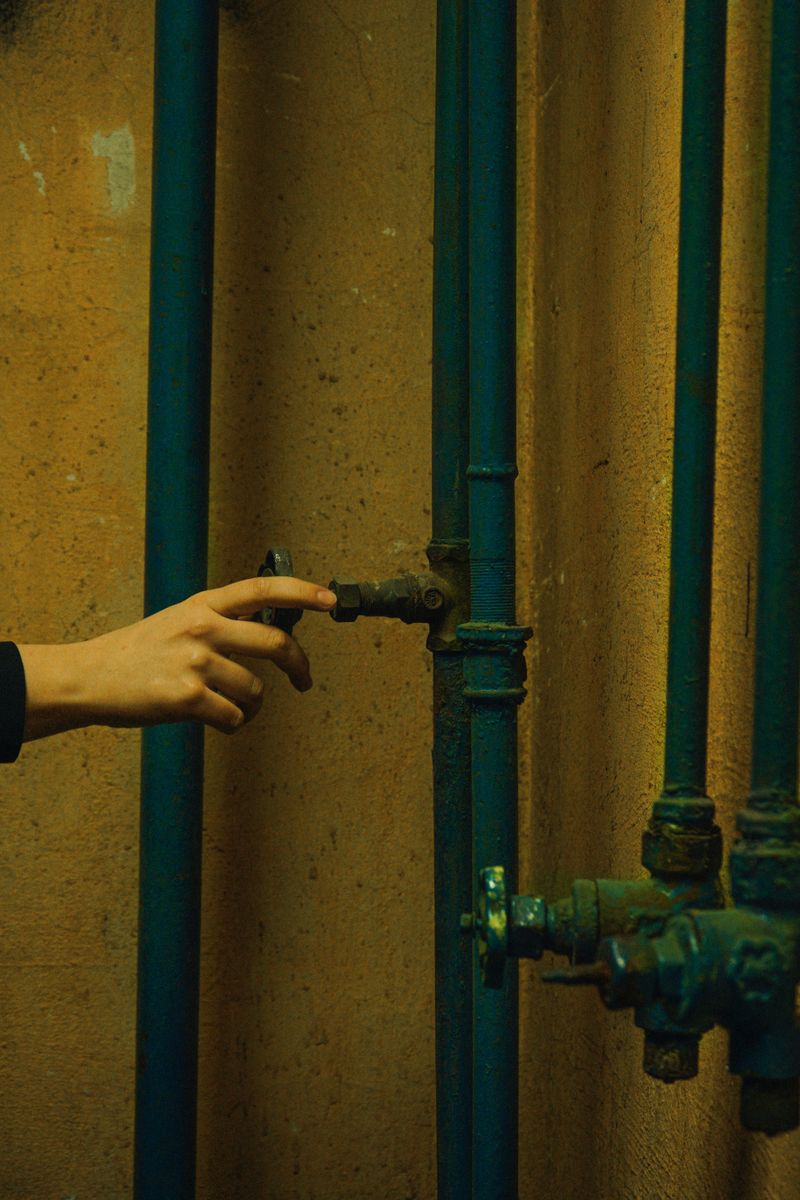
- Gate Valve (Wheel Handle): Turn the handle clockwise (right) until it stops. These older valves require more turns but are still effective. However, they can become stuck if not used regularly.
Turn the handle slowly and steadily. Don't force it - if it feels stuck, apply light penetrating oil and wait 15 minutes before trying again. Never use excessive force, as this can damage the valve.
Secondary Shut-Off Points in Your Home

Individual Fixture Shut-Off Valves
Beyond the main valve, most fixtures have individual shut-off valves. These are invaluable because they allow you to stop water to a specific area without shutting off the entire home:
- Toilets: Look behind or beside the toilet base - typically a small valve with a handle or screw
- Sinks: Check under the sink; you'll usually find two valves (hot and cold)
- Washing machines: Usually located where the hose connects to the wall
- Water heaters: Both inlet and outlet valves are typically visible on newer units
- Outdoor hose connections: Most Canadian homes have accessible valves for garden hoses
When to Use Individual Valves
If your leak is isolated to one fixture - such as a dripping toilet or leaky faucet - turn off only that fixture's valve. This allows other household members to use water elsewhere. Individual shut-offs typically cost $15 to $40 CAD to install if missing, and professional installation runs $75 to $150 CAD per valve.
Step-by-Step: What to Do During a Water Emergency
- Stay Calm: Panicking wastes precious time. Most leaks, even significant ones, can be controlled within minutes.
- Locate the Problem: Identify which fixture is leaking or where water is coming from.
- Check Individual Valves First: If the problem is isolated, shut off the affected fixture's valve.
- If Unable to Control the Leak: Proceed immediately to your main shut-off valve.
- Turn Off the Main Valve: Use steady, controlled pressure. It may take several full turns depending on valve type.
- Turn On a Faucet: Open a low-level faucet (basement or lowest floor) to release remaining pressure in the pipes.
- Document the Damage: Take photos for insurance purposes.
- Call a Licensed Plumber: Contact a professional immediately for diagnosis and repair.
Regular Maintenance Tips
Prevent emergencies by maintaining your water system:
- Test Your Valves Quarterly: Turn your main valve on and off to ensure it works smoothly. If it's stuck, call a plumber before an emergency occurs.
- Inspect Visible Pipes: Look for signs of corrosion, leaks, or damage, especially in basements and crawl spaces.
- Have a Professional Inspection: Licensed plumbers recommend professional inspections every 2–3 years. In Canada, professional inspections typically cost $150 to $300 CAD.
- Winterize Outdoor Connections: In provinces like Alberta, BC, and Saskatchewan, disconnect and drain garden hoses before winter to prevent burst pipes.
- Install Water Shut-Off Valves on All Fixtures: If your home lacks individual valves, have a plumber install them. This is a preventative measure that pays for itself if any leak occurs.
Common Questions About Water Shut-Off
What if I can't find my main shut-off valve?
Contact your municipal water department - they can pinpoint the valve's location and sometimes even provide a diagram. In many Canadian cities, this service is free. If the valve is on your property but underground, mark its location once found so you can access it quickly in emergencies.
What should I do if my main valve won't turn?
A stuck valve is common in older homes. Apply penetrating oil (like WD-40) around the handle and wait 15 minutes. Try again with gentle pressure. If it remains stuck, call a licensed plumber immediately - they can free it or replace it. Valve replacement typically costs $200 to $500 CAD depending on valve type and accessibility.
Can I turn the water back on myself after shutting it off?
Yes, once the problem is repaired, simply reverse the process by turning the valve handle counterclockwise (gate valve) or perpendicular to the pipe (ball valve). However, have a plumber verify the repair is complete before restoring full water pressure.
What if water is coming from my main valve itself?
If the valve leaks while attempting to shut off water, close it as tightly as you can without forcing it, then immediately call an emergency plumber. This situation requires professional intervention and valve replacement.
Get Professional Help When You Need It

While knowing how to shut off your water is essential, professional plumbers are your best resource for diagnosing and repairing water damage. Whether you're in British Columbia, Alberta, Ontario, Quebec, or anywhere across Canada, having a trusted plumber on speed dial can save you thousands of dollars. When you're ready to find experienced, licensed professionals in your area, Find a Plumber Near You through Local Skilled Trades, Canada's trusted home services directory. Our vetted professionals are ready to respond quickly to emergencies and provide reliable, professional water system repairs and maintenance.
Local Skilled Trades Editorial
Home Services Expert