

HVAC Repair vs Replacement: What's Better for Your Canadian Home?
One of the most stressful decisions a Canadian homeowner can face is whether to repair or replace their HVAC system. When your furnace stops working on a cold Alberta night or your air conditioner fails during an Ontario heat wave, the pressure to act quickly can cloud your judgment. Making an informed decision requires weighing repair costs, system age, energy efficiency ratings, and the availability of government rebates for newer heating systems in Canada.
This guide will help you understand the key factors to consider when facing this decision, including cost, age, efficiency, and long-term value. Whether you're in British Columbia, Alberta, Ontario, Quebec, or anywhere else across Canada, these principles will help you make the right choice for your home.
Understanding Your HVAC System's Age
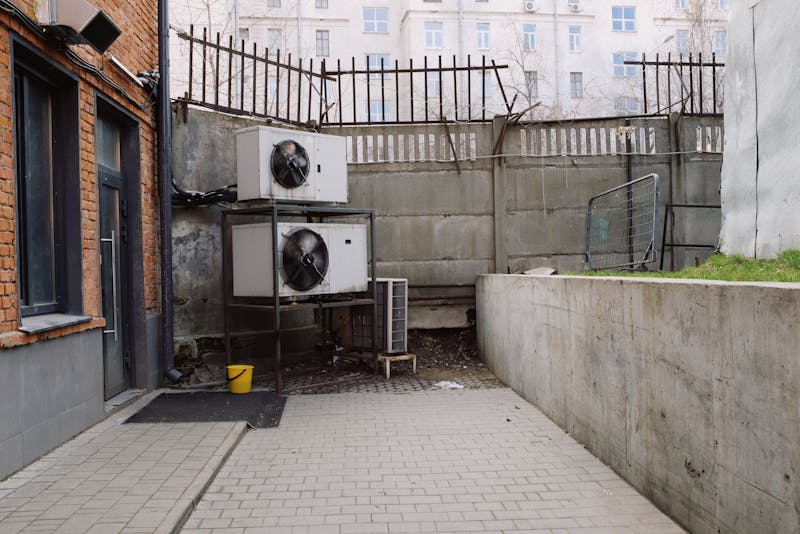
The age of your HVAC system is one of the most critical factors in the repair versus replacement decision. Most furnaces and air conditioning units have a lifespan of 15 to 20 years with proper maintenance. Heat pumps typically last 15 to 25 years depending on usage and climate.
If your system is less than 10 years old, repair is usually the best option. Systems in this age range are generally still reliable, and the cost of repair is typically far lower than replacement. However, if your HVAC system is approaching or has exceeded the 15-year mark, you should start considering replacement, especially if repairs are becoming frequent.
In colder Canadian provinces like Alberta and Ontario, where heating systems work harder and longer during winter months, systems may wear out faster than in milder climates like British Columbia's Lower Mainland. This accelerated wear is an important consideration for homeowners in these regions.
The Cost Factor: Repair vs Replacement Pricing in Canada

Understanding the financial implications is essential. Let's break down realistic pricing for 2026:
HVAC Repair Costs
- Minor repairs (thermostat issues, filter replacements, electrical fixes): $150–$500 CAD
- Moderate repairs (refrigerant leaks, capacitor replacement, blower motor repair): $500–$1,500 CAD
- Major repairs (compressor failure, heat exchanger issues, valve replacement): $1,500–$3,500 CAD
- Emergency or after-hours service call: Add $100–$300 CAD to any repair cost
HVAC Replacement Costs
- Furnace replacement only: $3,500–$7,000 CAD (plus installation)
- Air conditioning unit replacement: $3,000–$6,500 CAD (plus installation)
- Complete HVAC system replacement (furnace + AC + ductwork assessment): $8,000–$15,000 CAD
- Heat pump system (increasingly popular in Canada): $8,000–$14,000 CAD installed
These prices vary by province. Ontario and Quebec typically fall in the mid-range, while British Columbia's urban centres (Vancouver, Victoria) and Alberta's major cities often command premium pricing due to higher labour costs and demand for skilled tradespeople.
The "5,000 Rule" for HVAC Decisions
A practical guideline many HVAC professionals use is the "5,000 Rule." Here's how it works:
Multiply the age of your system (in years) by the cost of repair (in hundreds of CAD). If the result exceeds 50, replacement is typically the better choice.
Example: Your 14-year-old furnace needs a $2,500 compressor repair. Calculation: 14 × 25 = 350 (well below 50). However, if your 16-year-old system needs that same repair: 16 × 25 = 400 (exceeding 50), so replacement becomes the smarter option.
This rule helps visualize whether you're throwing good money at an aging system that may fail again soon.
Energy Efficiency and Long-Term Savings

Newer HVAC systems are significantly more energy-efficient than older models. A system installed in 2010 might have an efficiency rating of 13 SEER (Seasonal Energy Efficiency Ratio) for cooling or 78% AFUE (Annual Fuel Utilization Efficiency) for heating. Modern units routinely achieve 16+ SEER and 95% AFUE.
For Canadian homeowners, this matters tremendously. Heating accounts for the largest portion of residential energy consumption, especially in provinces like Alberta, Saskatchewan, and Ontario where winters are long and cold. Upgrading to a high-efficiency furnace or heat pump can reduce your heating costs by 15–30% annually.
While a new system might cost $10,000–$15,000 CAD, the energy savings could recoup your investment in 5–10 years, with decades of additional savings afterward. Additionally, many provinces and utilities offer rebates for upgrading to energy-efficient systems, which can offset initial costs.
Warning Signs Your System Needs Replacement
Certain issues suggest replacement is the right call:
- Recurring major repairs: If you're making two or more significant repairs per year, the cumulative cost quickly approaches replacement pricing.
- Refrigerant leaks (R-22 systems): Older air conditioning units using R-22 refrigerant are becoming impossible and illegal to service in Canada. Replacement is inevitable.
- Rust, corrosion, or visible damage to the unit: These are signs of advanced deterioration and imminent failure.
- Inconsistent heating or cooling: If some rooms are significantly warmer or cooler than others, your system may be beyond efficient repair.
- Rising energy bills with no explanation: A struggling system works harder, consuming more energy to maintain comfort.
- Unusual noises or smells: Loud banging, grinding, or burning smells can indicate serious mechanical problems that make repair uneconomical.
When Repair Makes Sense
Repair is typically the best option when:
- Your system is less than 10 years old
- The repair cost is less than 50% of a new system's price
- This is the first major repair in several years
- The system is functioning adequately otherwise
- You plan to sell or move within 2–3 years (and buyers expect an aging but functional system)
When Replacement Makes Sense
Replacement becomes the smarter investment when:
- Your system is 15+ years old
- Repair costs exceed $3,000–$4,000 CAD
- You're facing multiple repairs within a short timeframe
- Your energy bills are consistently high
- You plan to stay in your home for 5+ more years
- Your system uses obsolete or soon-to-be-phased-out refrigerants
Regional Considerations for Canadian Homeowners

British Columbia: Milder winters mean heating systems work less intensively, potentially extending their lifespan. However, the high cost of living in BC makes energy-efficient replacements especially valuable.
Alberta: Harsh winters and frequent temperature swings put extra strain on HVAC systems. Investing in reliable, efficient replacements makes economic sense here.
Ontario: As Canada's most populous province, Ontario homeowners have excellent access to contractors and competitive pricing. This is a good market for replacement options.
Quebec: Many homes rely heavily on heating. Upgrading to modern heat pumps (which provide both heating and cooling) is increasingly popular and cost-effective.
Frequently Asked Questions
Can I repair just the furnace and keep my old air conditioner?
Yes, but it's generally not recommended. Mismatched components reduce efficiency and reliability. If you're already replacing one major component, upgrading the entire system typically provides better performance and warranty coverage.
What should I do if my HVAC contractor recommends replacement but I'm not sure?
Get a second opinion. A reputable contractor will provide a detailed written assessment of your system's condition and honest recommendations. Avoid contractors who pressure you into immediate replacement without thorough inspection.
Are government rebates available for HVAC replacement in Canada?
Yes. Many provinces offer rebates for upgrading to high-efficiency systems. Check with your provincial government's energy efficiency programs and your local utility company for current incentives. These can reduce your net cost by $1,000–$3,000 CAD.
How can I extend my HVAC system's lifespan?
Regular maintenance is crucial. Change filters monthly during heating/cooling season, schedule professional tune-ups annually, keep outdoor units clear of debris, and address small issues before they become major problems. Well-maintained systems often exceed their average lifespan by several years.
Making Your Final Decision
The choice between HVAC repair and replacement ultimately depends on your system's age, the repair cost, your energy bills, and how long you plan to stay in your home. Use the guidelines and cost information provided here to evaluate your specific situation.
If you're still uncertain, don't hesitate to consult with a qualified HVAC professional. They can assess your system's condition and provide personalized recommendations. To find a trusted, vetted HVAC contractor in your area across Canada, Find an HVAC Contractor Near You through Local Skilled Trades, where you can compare local professionals and read reviews from fellow Canadian homeowners.
Local Skilled Trades Editorial
Home Services Expert