

How to Prevent Frozen Pipes in Canada: A Homeowner's Complete Guide
Frozen pipes are one of the most common and costly problems Canadian homeowners face during winter. When temperatures drop below freezing across Ontario, Alberta, Manitoba, or Quebec, water inside your pipes can freeze and expand, causing them to crack, burst, and leak. The resulting water damage can cost $1,000 to $5,000 or more in repairs, not to mention the disruption to your home and daily routine. The good news is that frozen pipes are almost entirely preventable with the right steps taken before winter arrives.
The good news? Most cases of frozen pipes are entirely preventable with proper planning and maintenance. This comprehensive guide will walk you through practical steps to protect your plumbing system throughout Canada's long, harsh winters.
Understanding Why Pipes Freeze in Canada
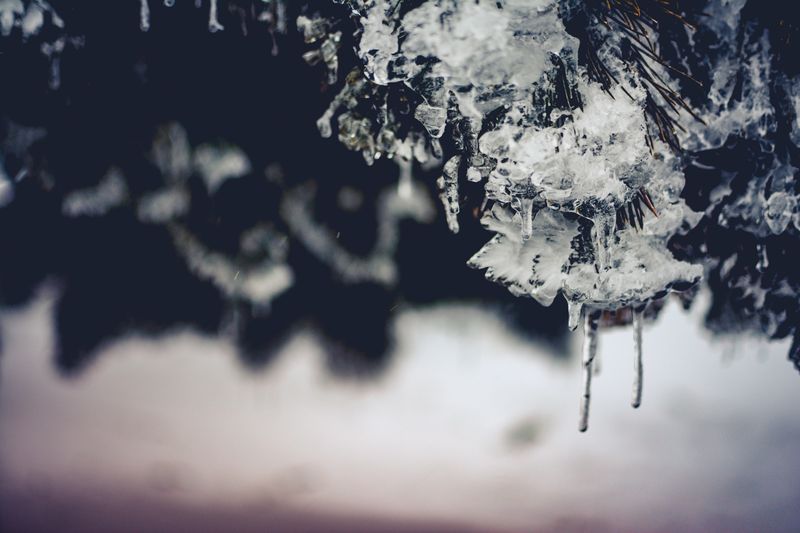
Canada experiences some of the most extreme winter conditions in North America. In provinces like Alberta, Manitoba, and Saskatchewan, temperatures regularly drop to -20°C or lower, creating ideal conditions for frozen pipes. Even mild winters in British Columbia or southern Ontario can cause freezing in vulnerable areas.
Water freezes at 0°C, but pipes freeze at slightly higher temperatures because moving water has a lower freezing point than still water. Pipes are most at risk when:
- They're located in unheated areas (attics, crawl spaces, basements)
- They're exposed to exterior walls with poor insulation
- Water flow is minimal or stagnant
- Outdoor temperatures remain below -10°C for extended periods
Before Winter Arrives: Prevention Steps
1. Insulate Exposed Pipes
Pipe insulation is your first line of defence. Foam pipe sleeves or wraps cost between $10–$30 CAD per 3-metre section and are incredibly effective. They add a protective layer that slows heat loss and keeps pipes warm.
Focus on:
- Pipes in crawl spaces and basements
- Pipes running along exterior walls
- Pipes in unheated garages or sheds
- Water metre connections
- Outdoor hose bibs and supply lines
If you're in Quebec or Ontario with older homes, consider hiring an insulation contractor to assess your full plumbing system. Professional installation typically costs $500–$1,500 CAD but provides long-term peace of mind.
2. Seal Air Leaks
Cold air infiltration is a major cause of frozen pipes. Check for gaps and cracks around:
- Exterior wall penetrations where pipes enter
- Foundation cracks
- Gaps around dryer vents and other openings
- Basement windows and doors
Use caulk, weatherstripping, or expanding foam to seal these gaps. This typically costs $50–$200 CAD in materials and is a straightforward DIY project.
3. Improve Attic and Basement Insulation
Adequate insulation keeps your entire home warmer, protecting pipes indirectly. Canada's National Energy Code recommends R-40 insulation for attics in cold climates. If your home lacks proper insulation, professional installation costs $1,500–$3,500 CAD, but it also reduces heating bills by 10–15%.
4. Disconnect and Drain Outdoor Hoses
This is simple but critical. Water sitting in outdoor hoses can freeze and damage both the hose and the connection point. Before the first frost:
- Turn off exterior water valves
- Disconnect all garden hoses
- Drain any remaining water from the hose
- Store hoses indoors
During Winter: Active Prevention Measures
Keep Your Home Warm
Maintain interior temperatures at 15°C (60°F) or higher, even if you're away. Lowering your thermostat to save money isn't worth the risk of burst pipes, which could result in $3,000+ CAD in damage. If you leave your home for extended periods during winter, consider keeping heat on or draining your system entirely.
Let Water Drip from Faucets
Allowing a slow drip from faucets in rooms with at-risk pipes reduces pressure buildup and prevents freezing. This is particularly effective when outdoor temperatures drop below -15°C. The cost of running water for a few days is minimal compared to potential pipe damage.
Open Cabinet Doors
In kitchens and bathrooms, open cabinet doors under sinks to allow warmer air from your home to circulate around pipes. This costs nothing and can be highly effective in preventing freezing in vulnerable areas.
Use Heat Tape (When Appropriate)
Electric heat tape can wrap around exposed pipes and provide additional warmth. Look for models with built-in thermostats that activate automatically when temperatures drop. Quality heat tape costs $30–$100 CAD and is excellent for problem areas in provinces like Alberta and BC where winter is harsh.
If Pipes Freeze: What to Do
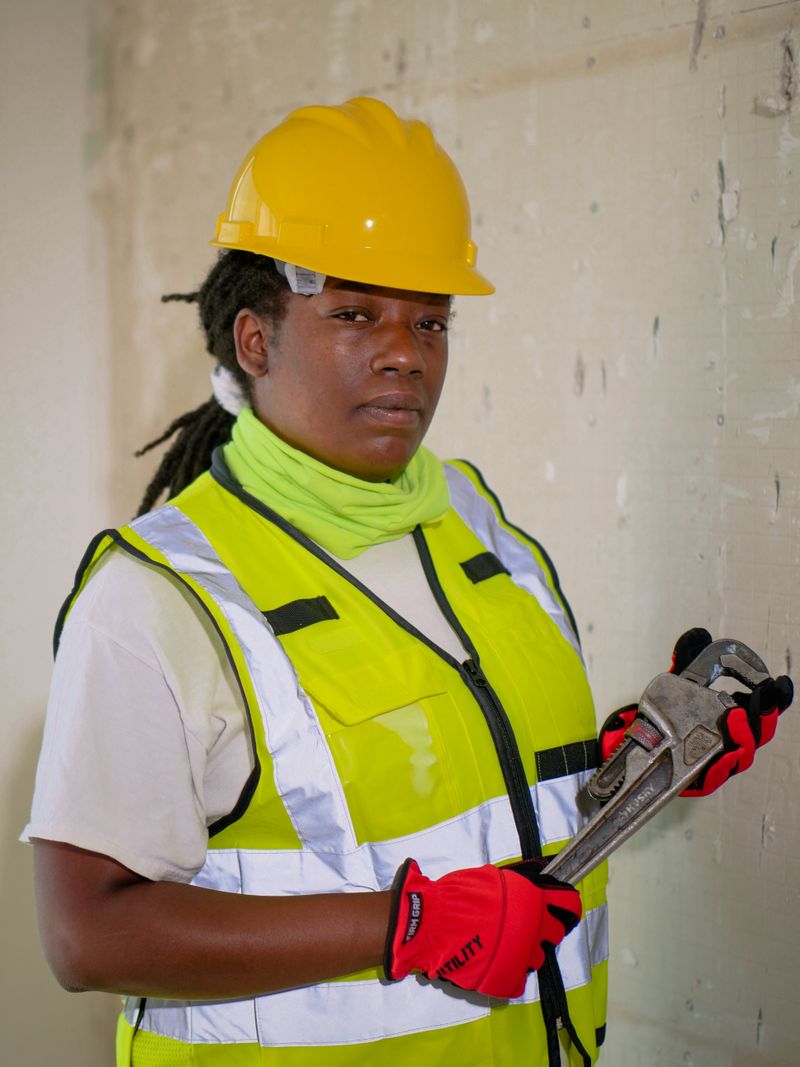
If you suspect a frozen pipe, act quickly:
- Stop the freeze from spreading: Locate the problem area. If water still flows (albeit slowly), you've caught it early.
- Apply gentle heat: Use a hair dryer, heat lamp, or heating pad on the affected section. Never use an open flame, which is a fire hazard.
- Call a professional: If you can't locate the frozen section or heat doesn't help, contact a licensed plumber immediately. Emergency plumbing services in Canada cost $150–$300 CAD for the call-out, plus repair costs.
- Check for damage: Once thawed, inspect pipes carefully for cracks. Even small cracks will cause leaks.
Regional Considerations Across Canada
Alberta and Saskatchewan: Extreme cold (-25°C to -40°C) is common. Invest heavily in insulation and consider trace heating systems. Many homes benefit from professional winterization services ($300–$600 CAD).
Ontario and Quebec: Winter conditions are variable. Focus on sealing air leaks and maintaining consistent interior temperatures. Older homes in these provinces are particularly vulnerable and may benefit from professional assessment.
British Columbia: While milder than prairie provinces, Vancouver Island and the Lower Mainland still experience freezing. Pipes in crawl spaces and on north-facing walls are most at risk.
Frequently Asked Questions
How much does it cost to fix a burst pipe in Canada?
A burst pipe repair typically costs $1,500–$3,500 CAD depending on location, severity, and whether walls or ceilings need to be opened. Emergency repairs may cost 20–30% more. Prevention is significantly cheaper.
Can I prevent frozen pipes in an unheated cottage or seasonal home?
Yes. Either drain the entire system before winter or use a RV-style antifreeze solution (non-toxic propylene glycol, $20–$50 CAD). Have a licensed plumber assess your specific setup to ensure all water is removed from pipes, traps, and fixtures.
Does homeowners insurance cover frozen pipe damage?
Most standard policies cover sudden, accidental burst pipes, but not damage from lack of maintenance or failure to heat your home. Check your policy and consider that prevention is far more cost-effective than a claim.
What's the cheapest way to prevent frozen pipes?
Letting faucets drip and opening cabinet doors costs nothing. Foam pipe insulation ($10–$30 CAD per section) is inexpensive and highly effective. These simple steps prevent most frozen pipe issues.
Take Action This Winter
Frozen pipes are a genuine threat in Canada's climate, but they're almost entirely preventable with proper preparation. Spend a few hundred dollars now on insulation, sealing, and winterization to avoid thousands in emergency repairs later.
If you're unsure about your home's plumbing vulnerability or need professional help, the experts at Local Skilled Trades can connect you with qualified professionals in your area. Find a Plumber Near You to schedule a pre-winter inspection, or Find an Insulation Contractor to improve your home's overall winterization.
Local Skilled Trades Editorial
Home Services Expert