
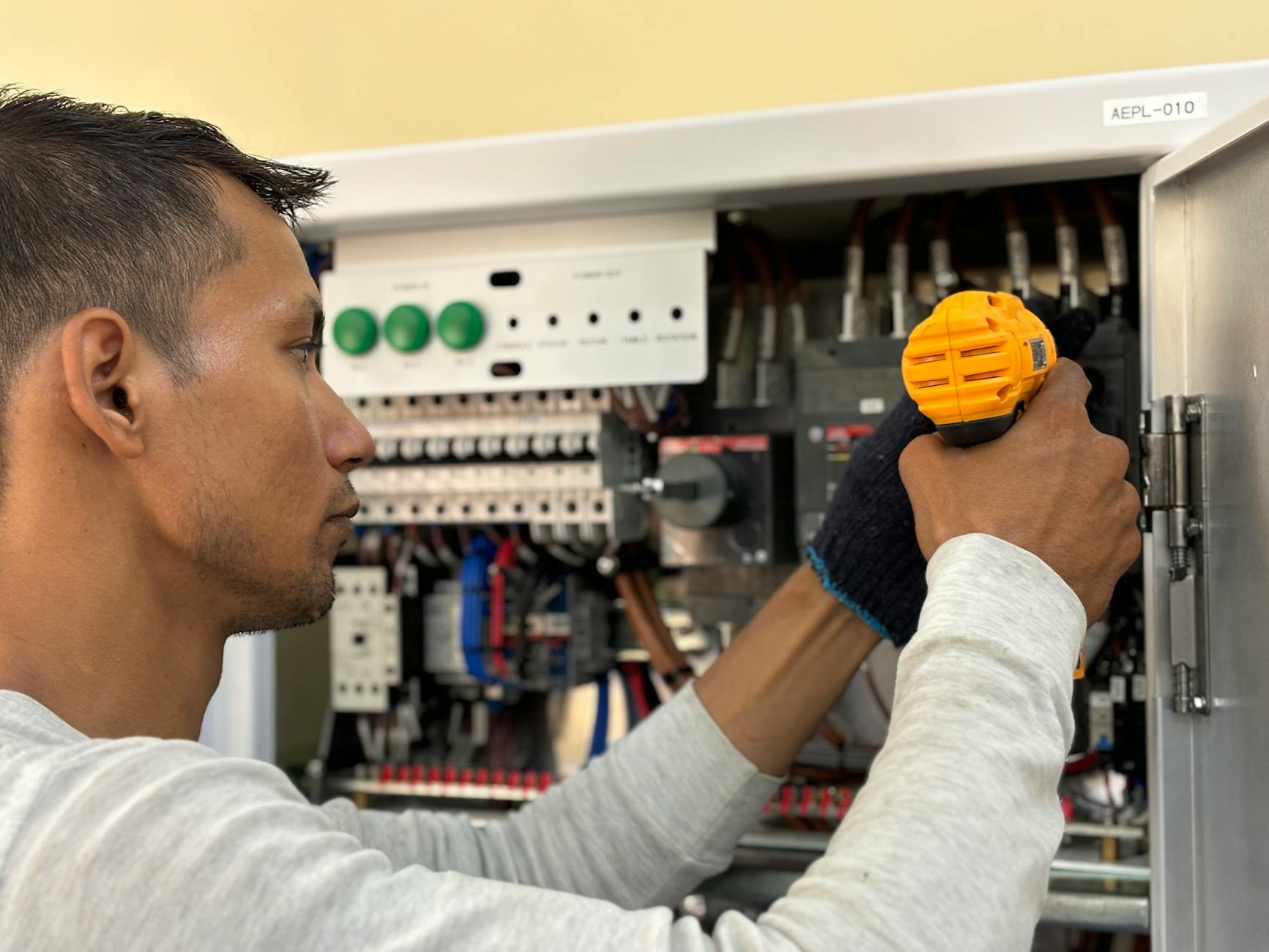
Signs Your Electrical Panel Needs Replacing
Your home's electrical panel is the heart of your electrical system. It distributes power throughout your house and protects your circuits from overload and short circuits. Many Canadian homeowners do not think about their electrical panel until something goes wrong, but recognizing the warning signs early can help you avoid fire hazards, power outages, and costly structural damage. If your home is older or has a Zinsco, Federal Pacific, or aluminum wiring panel, this guide is especially important.
In this comprehensive guide, we'll walk you through the key indicators that your electrical panel requires professional attention and replacement, along with what you can expect during the process.
Why Electrical Panel Replacement Matters
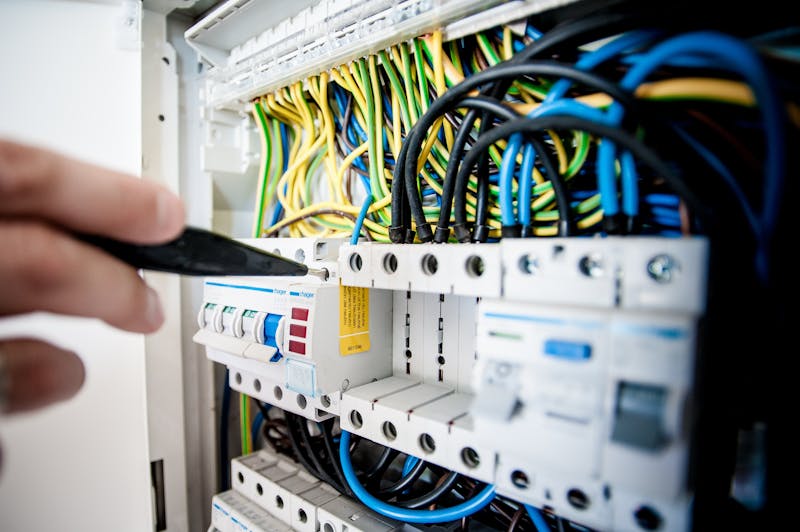
An outdated or faulty electrical panel poses serious risks to your home and family. Electrical fires, circuit overloads, and power failures can all stem from a failing panel. In Canada, building codes and electrical safety standards are regularly updated to ensure homes meet modern safety requirements. If your home's electrical system is aging, upgrading your panel isn't just about convenience - it's about protecting your investment and your loved ones.
Key Signs Your Electrical Panel Needs Replacing
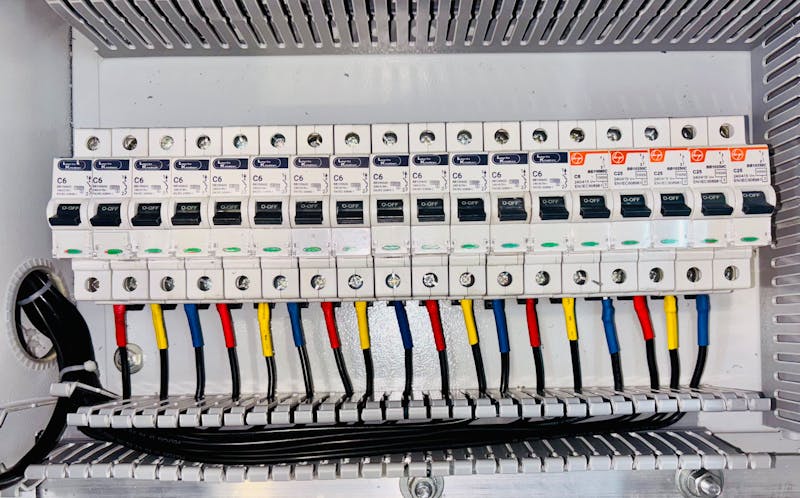
1. Frequent Circuit Breaker Trips
If your circuit breakers trip regularly, even when you're not using multiple high-energy appliances simultaneously, this is a red flag. While occasional trips are normal and actually indicate your breaker is doing its job, frequent tripping suggests your panel can't handle your home's electrical demand. This is especially common in older homes where electrical usage has increased dramatically since the panel's installation.
In provinces like Ontario and British Columbia, where many homes were built in the 1970s and 1980s, this is a particularly common issue. Modern homes require significantly more power for heating systems, air conditioning, electric vehicle chargers, and smart home devices.
2. Burning Smell or Scorch Marks
Never ignore a burning smell coming from your electrical panel or visible scorch marks around the box. These are immediate signs of overheating and potential electrical fire risk. The smell typically resembles burnt plastic or wood and can be detected from several feet away. Scorch marks indicate that excessive heat has damaged the panel's components.
If you notice these signs, stop using the affected circuits if possible and contact a licensed electrician immediately. This is not a problem to delay addressing.
3. Age of Your Electrical Panel
Most electrical panels are designed to last 25 to 40 years. If your home was built before 1990 and has the original panel, it's likely time for an upgrade. Common outdated panel brands in Canada include Federal Pacific Electric (FPE) and Zinsco panels, both known for safety issues and higher failure rates.
When determining your panel's age, check the label on the inside of the panel door. If you can't remember when it was last serviced or upgraded, a professional inspection is essential.
4. Flickering or Dimming Lights
Occasional flickering might seem minor, but persistent dimming or flickering throughout your home suggests your electrical panel isn't distributing power evenly. This is particularly noticeable when you turn on major appliances like your oven, clothes dryer, or air conditioner. While some voltage fluctuation is normal, dramatic dips indicate deeper issues within your panel.
5. Insufficient Number of Outlets or Circuits
If you're relying heavily on power bars, extension cords, or adapter plugs throughout your home, your panel may not have enough circuits for your needs. Modern homes require dedicated circuits for kitchens, bathrooms, and high-draw appliances. If your panel was installed decades ago, it likely doesn't meet current electrical code requirements for residential homes in Canada.
Beyond inconvenience, this situation creates serious fire hazards and makes your home less attractive to potential buyers.
6. Rust or Water Damage
If you notice rust, corrosion, or signs of water damage around your electrical panel, replacement may be necessary. Water and electricity are a dangerous combination. Panels located in basements, crawl spaces, or near areas prone to moisture require careful monitoring. In provinces like Quebec and parts of Ontario where humidity levels are high, this issue is relatively common.
7. Buzzing or Humming Sounds
A properly functioning electrical panel should operate silently or with minimal noise. Persistent buzzing, humming, or crackling sounds indicate loose connections or failing components inside the panel. These sounds may be subtle, but they're warning signs you shouldn't ignore.
The Electrical Panel Replacement Process
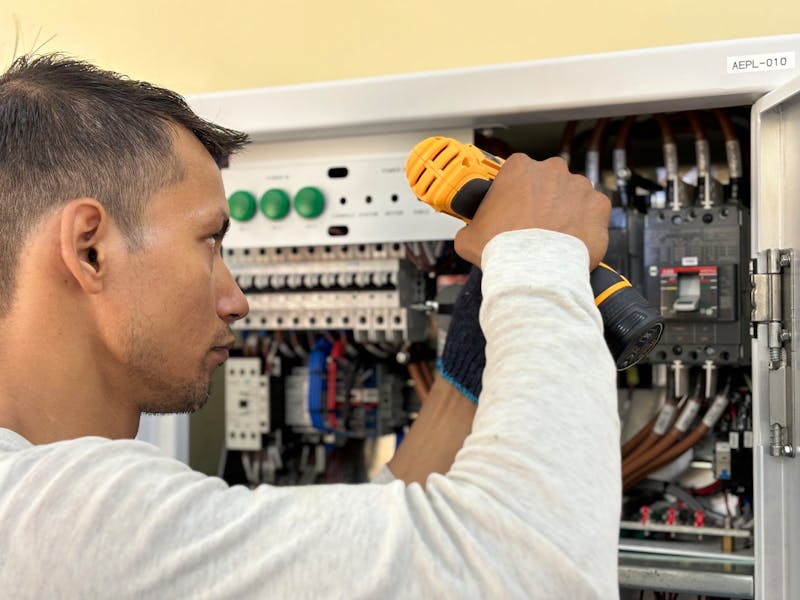
Step 1: Professional Inspection
Your first step should always be scheduling a comprehensive inspection with a licensed electrician. They'll assess your panel's condition, evaluate your home's current electrical needs, and determine whether repair or replacement is necessary.
Step 2: Get Multiple Quotes
Electrical panel replacement is a significant investment. Request quotes from at least two or three licensed electricians in your area. Costs typically range from $1,500 to $4,000 CAD for a standard panel replacement, depending on your location and the complexity of the installation. In major urban centres like Toronto, Vancouver, and Montreal, prices may be on the higher end of this range.
Step 3: Obtain Necessary Permits
In Canada, electrical panel replacement requires a municipal building permit. This isn't optional - it's required by electrical code and ensures the work meets safety standards. Your electrician should handle permit applications as part of their service. Permit costs typically range from $100 to $300 CAD.
Step 4: Schedule the Installation
Panel replacement usually takes 4 to 8 hours. During this time, your home will be without power, so plan accordingly. Most electricians offer flexible scheduling to minimize disruption to your daily life.
Step 5: Final Inspection
Once installation is complete, a municipal electrical inspector will visit to ensure the new panel meets all local codes and regulations. This inspection is typically included in your permit process.
Cost Considerations for Canadian Homeowners
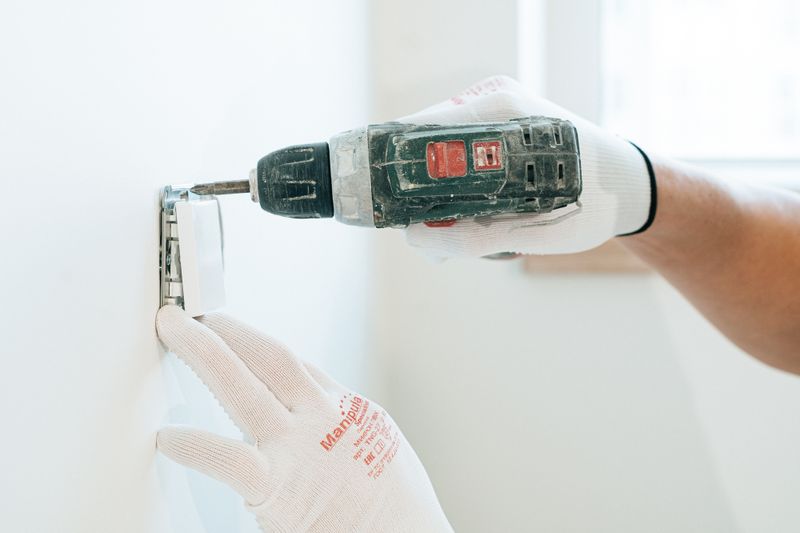
The cost of panel replacement varies across Canadian provinces due to differing labour rates and electrical codes:
- Alberta and British Columbia: $2,000–$3,500 CAD
- Ontario: $1,800–$3,800 CAD
- Quebec: $1,600–$3,200 CAD
This range includes labour, the new panel, and basic permit fees. Additional costs may apply if your installation requires extensive rewiring, upgrading the main service line, or addressing structural issues.
Frequently Asked Questions

Q: How do I know if I need a panel upgrade versus a full replacement?
A qualified electrician can make this determination during an inspection. Generally, if your panel is showing multiple warning signs or is over 30 years old, replacement is the safer option. Repairs might work for isolated issues, but a full replacement provides peace of mind and ensures your home meets current electrical codes.
Q: Will replacing my electrical panel increase my home's value?
Yes. A modern, properly functioning electrical panel increases your home's value and appeal to buyers. It eliminates safety concerns and is often a requirement for securing home insurance. In competitive real estate markets across Canada, this upgrade can be a significant selling point.
Q: Can I replace my electrical panel myself?
No. Electrical panel work must be performed by a licensed electrician. This work involves high-voltage electricity and requires specialized training. Improper installation can result in electrical fires, electrocution, and serious injury or death. Always hire a qualified professional.
Q: How often should electrical panels be inspected?
Have your electrical panel inspected every 5 to 10 years, or immediately if you notice any warning signs. If your home is over 25 years old, annual inspections are a good practice.
Protect Your Home Today
Your electrical panel is too important to ignore. If you've noticed any of the warning signs discussed in this guide, don't wait. A failing panel poses real risks to your family's safety and your home's integrity. Contact a licensed electrician in your area for a professional assessment and quote. Whether you need a simple repair or a complete panel replacement, addressing electrical issues promptly is always the right choice. Visit Find an Electrician Near You on Local Skilled Trades to connect with trusted, qualified professionals in your community who can help protect your home.
Local Skilled Trades Editorial
Home Services Expert