

Signs Your Electrical Wiring Is Outdated: A Canadian Homeowner's Guide
Your home's electrical system is one of the most critical and often overlooked components of your property. If your house in Ontario, Alberta, or British Columbia was built before the 1990s, or if you have never had a professional electrical inspection, your wiring may be outdated and potentially dangerous. Knob-and-tube wiring, aluminum wiring, and undersized panels are all common in older Canadian homes and can pose serious fire hazards without any visible warning signs at first.
In Canada, electrical codes have evolved significantly over the decades. What was acceptable wiring in the 1970s or 1980s no longer meets current safety standards. This guide will help you identify the warning signs that your electrical wiring needs updating, understand the risks involved, and learn how to take action before problems escalate.
What Makes Electrical Wiring "Outdated"?
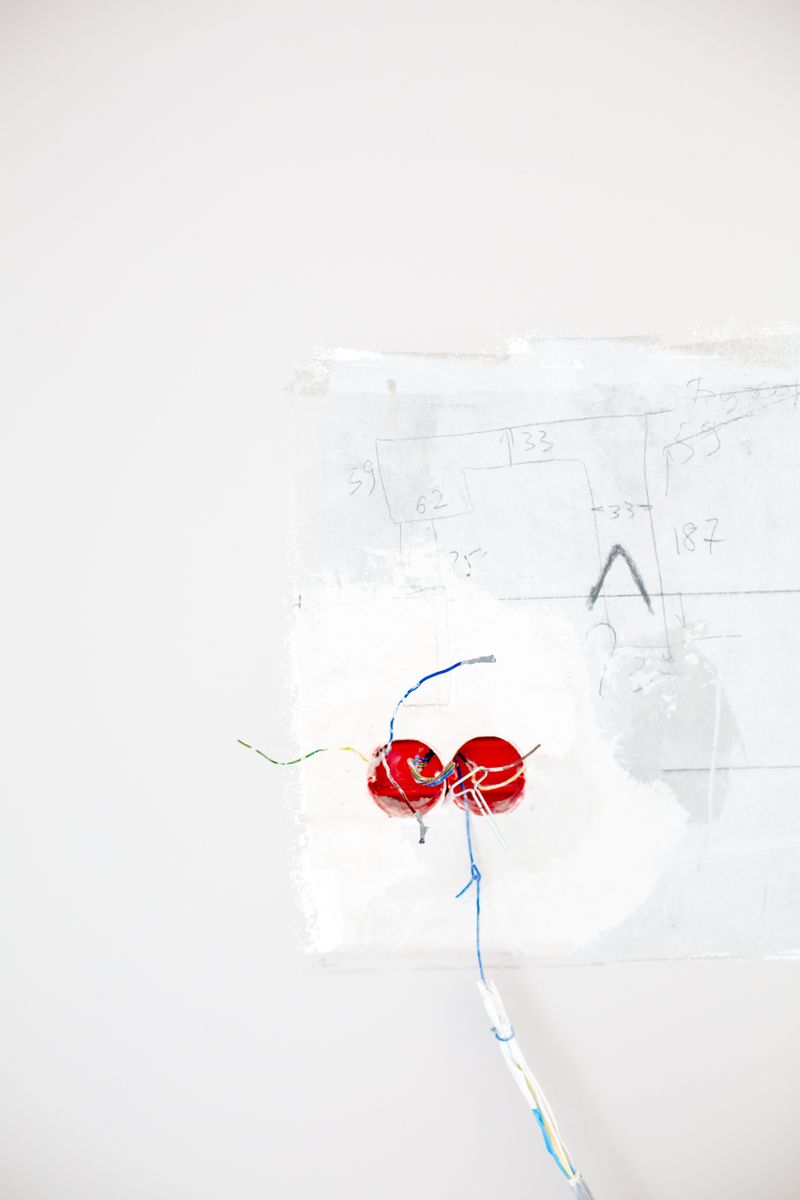
Outdated electrical wiring typically refers to systems installed 30+ years ago that no longer meet modern Canadian electrical codes, such as the Canadian Electrical Code (CEC). Common outdated systems include:
- Knob-and-tube wiring: Used primarily before the 1950s, this dangerous system consists of single conductors run through ceramic tubes and is a significant fire hazard.
- Aluminum wiring: Common in the 1970s, aluminum wiring expands and contracts more than copper, creating loose connections and fire risks.
- Two-prong outlets: Lack proper grounding and cannot safely handle modern appliances.
- Limited circuit capacity: Homes built decades ago simply weren't designed for today's power demands.
As a homeowner in Ontario, British Columbia, Alberta, or Quebec, understanding these outdated systems is essential for your safety and property value.
Key Warning Signs Your Wiring Needs Updating
1. Frequent Breaker Trips
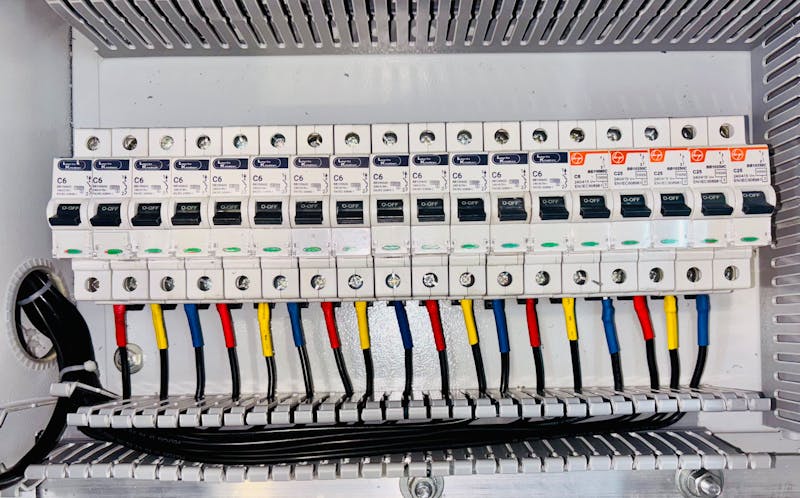
If your circuit breaker trips regularly - especially when you're using multiple appliances - this is a classic sign of an overloaded or failing system. Modern homes demand more power than older systems can safely provide. This isn't just inconvenient; it's a safety concern that suggests your wiring capacity is inadequate for your current lifestyle.
2. Flickering or Dimming Lights
Occasional flickering is annoying; constant dimming when you turn on the oven, clothes dryer, or run other high-demand appliances indicates loose connections or insufficient amperage. This is particularly common in homes with 60-amp or 100-amp service panels - modern homes typically require 200 amps.
3. Burning Smells or Scorch Marks
Any smell of burning plastic or rubber near outlets, switches, or your electrical panel demands immediate attention. Scorch marks around outlets or switches indicate dangerous overheating and should be treated as a fire emergency. Shut off the circuit involved and call a licensed electrician immediately.
4. Discolored or Hot Outlets
Touch an outlet to check if it's warm (when nothing is plugged in). Warm outlets indicate loose connections or excessive resistance, both fire hazards. Discoloration, melting, or pitting on outlet faces also signals serious problems.
5. Outdated Outlet Types
Two-prong outlets are a red flag. Modern appliances, code requirements, and safety standards demand three-prong grounded outlets. The absence of GFCI (ground fault circuit interrupter) outlets in bathrooms and kitchens is another concern, as these protect against electrical shocks and electrocution.
6>Pests Around Electrical Components
Rodents are attracted to old wiring insulation and can gnaw through it, exposing live conductors. If you've noticed pest damage near your electrical panel, wiring, or outlets, this is a serious safety issue that accelerates the need for a rewire.
7. Your Home Is Over 40 Years Old With Original Wiring
Even if you haven't noticed other signs, homes built in the 1980s or earlier with their original electrical systems are strong candidates for inspection. Insulation degrades over time, connections loosen, and code standards have evolved dramatically.
Why Outdated Wiring Is Dangerous
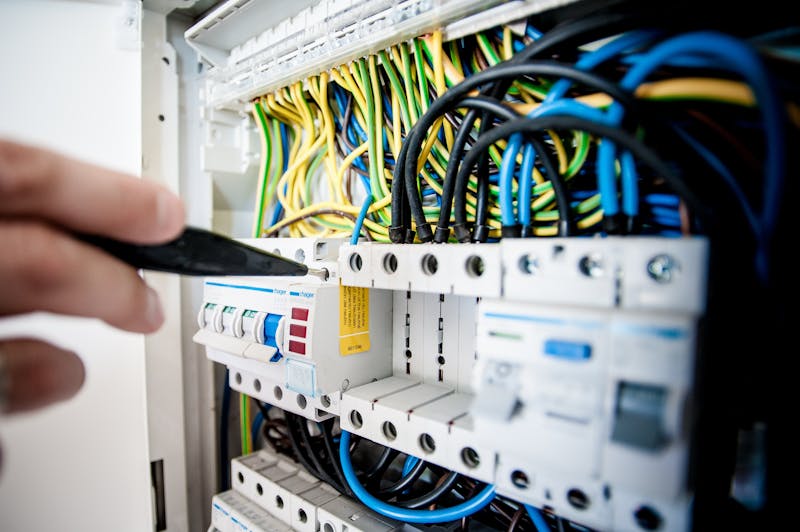
Beyond the inconvenience, outdated electrical systems present serious risks:
- Fire hazard: Loose connections, damaged insulation, and overloaded circuits are leading causes of residential fires in Canada.
- Electrocution risk: Particularly in kitchens, bathrooms, and near water sources without proper grounding and GFCI protection.
- Insurance complications: Some insurers require updated wiring as a condition of coverage, and outdated systems may void claims.
- Reduced property value: Home inspections flagging electrical issues can significantly impact resale value and buyer confidence.
- Higher energy costs: Inefficient, aging systems work harder and consume more electricity.
Electrical Rewiring Costs in Canada (2026)
The cost of upgrading your electrical system depends on several factors, including home size, complexity, and your province's labor costs.
- Partial rewiring (single room or circuit upgrade): $1,500–$4,000 CAD
- Whole-home rewire (1,500–2,500 sq ft home): $8,000–$16,000 CAD
- Service panel upgrade (60/100 amp to 200 amp): $2,500–$5,000 CAD
- Adding GFCI outlets (per circuit/room): $200–$600 CAD
Prices vary by province. Ontario and British Columbia typically fall in the mid-to-higher range, while Alberta may be slightly lower. Always get multiple quotes from licensed electricians before committing to work.
Steps to Take Now

- Schedule a professional inspection: A licensed electrician can assess your system comprehensively and identify risks you might miss.
- Get a written report: Request detailed findings and prioritized recommendations.
- Obtain multiple quotes: Compare pricing and scope from at least three licensed contractors.
- Plan the work: Rewiring is disruptive but necessary. Plan for a phased approach if budget-conscious, starting with the most dangerous issues.
- Verify licensing: Ensure your electrician is licensed by your provincial electrical authority (ESA in Ontario, for example).
FAQs About Outdated Electrical Wiring
How long does a typical home rewire take?
A complete whole-home rewire typically takes 1–3 weeks, depending on home size, complexity, and whether walls need to be opened. Your electrician will provide a timeline during the consultation.
Can I do partial electrical work myself?
In Canada, electrical work must be performed by licensed electricians. DIY electrical work violates electrical codes, voids insurance, and creates serious safety hazards. Always hire professionals.
Will updating my wiring affect my homeowner's insurance?
Often positively. Many insurers offer discounts for homes with updated electrical systems, and some require updates as a condition of coverage. Contact your insurer before and after upgrades to confirm any policy changes.
What's the difference between a panel upgrade and rewiring?
A panel upgrade increases your home's electrical capacity (e.g., from 100 to 200 amps) but uses existing wiring. Rewiring replaces the wiring itself. You may need one, both, or neither depending on your home's condition and needs.
Don't Delay on Electrical Safety
Electrical problems are not DIY projects and not issues to ignore. Signs of outdated wiring - flickering lights, tripped breakers, burning smells, or a home simply built decades ago - demand professional attention. The cost of updating your electrical system is far less than the cost of a house fire, injury, insurance denial, or a failed home sale.
If you're experiencing any of these warning signs, or if your home is over 40 years old, schedule an inspection today. Find an Electrician Near You through Local Skilled Trades - Canada's trusted directory for connecting homeowners with licensed, vetted skilled trades professionals. Our electricians serve communities across BC, Alberta, Ontario, and Quebec, ready to assess your system and provide safe, code-compliant solutions.
Local Skilled Trades Editorial
Home Services Expert