

Signs Your Roof Needs Replacement
Your roof is one of the most important components of your home, protecting your family and possessions from Canada's unpredictable weather. Many Canadian homeowners do not pay attention to their roof until a serious and expensive problem develops. Knowing the warning signs that your roof needs replacement, rather than just a patch repair, can save you thousands of dollars in water damage, structural repairs, and mold remediation in Ontario, Alberta, British Columbia, and beyond.
In this guide, we'll walk you through the key indicators that it's time to call a professional roofer and discuss what you can expect when replacing your roof across Canada.
How Long Should Your Roof Last?
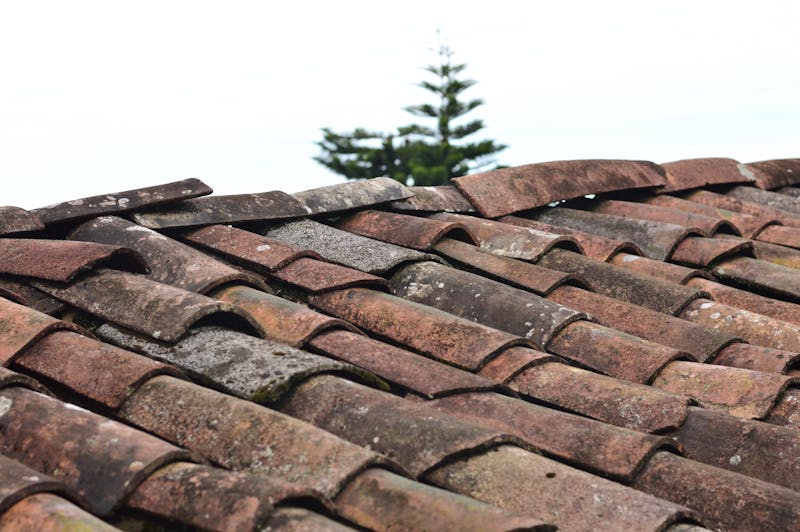
Before diving into replacement signs, it's helpful to understand the lifespan of common roofing materials in Canada:
- Asphalt shingles: 15–20 years (most common in Canada)
- Metal roofing: 30–50 years
- Cedar shake: 20–40 years
- Slate: 50+ years
- Architectural shingles: 20–25 years
Canada's harsh winters, UV exposure, and temperature fluctuations can accelerate wear. If your roof is nearing the end of its expected lifespan, replacement may be imminent.
Top Warning Signs Your Roof Needs Replacement
1. Age of Your Roof
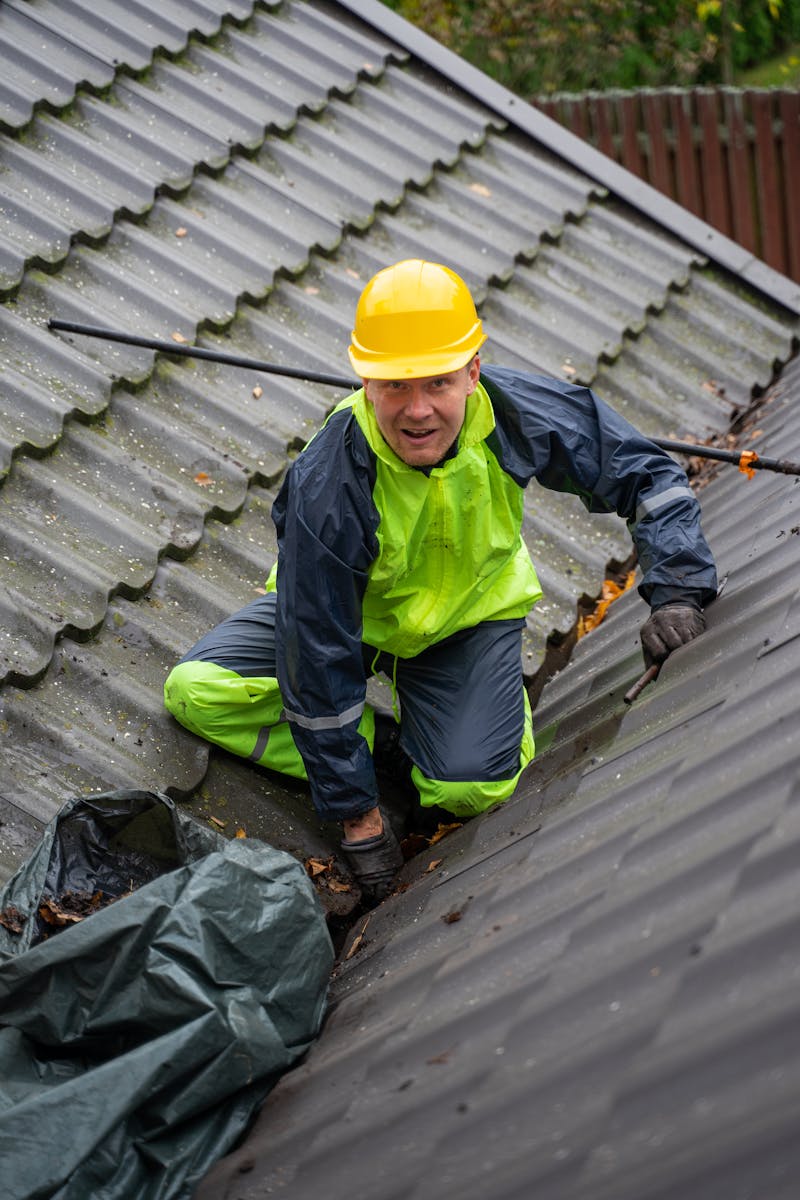
If your roof is 20 years old or older, replacement should be a priority. Even if you don't see obvious damage, aging roofs lose their protective granules and become brittle, especially in Canadian climates where freeze-thaw cycles are common. Check your home's records or ask your real estate agent when the roof was last replaced.
2. Missing or Curling Shingles
Walk around your property (safely, or use binoculars) and look for missing shingles or shingles that are curling, buckling, or peeling at the edges. Curling shingles are a sign that the roof is nearing the end of its life and can no longer protect your home adequately. This is especially common in provinces like Ontario and Quebec, where moisture and temperature swings accelerate deterioration.
3. Granule Loss
Asphalt shingles are coated with granules that protect them from UV rays and weathering. When these granules wash away, you'll notice:
- Bald patches on shingles
- Granules accumulating in gutters or downspouts
- A speckled appearance in gutters after rain
Significant granule loss indicates your shingles are deteriorating and replacement is urgent.
4. Visible Sagging or Dips
If your roof appears to sag or dip in certain areas, this is a serious structural issue. Sagging can indicate:
- Rotting roof decking
- Inadequate ventilation
- Water damage to the underlying structure
- Failed support beams
This requires immediate professional assessment. Contact a roofer right away, as sagging roofs pose a safety risk and can lead to catastrophic failure.
5. Interior Water Stains and Leaks
Water stains on your ceiling or walls are a clear sign of roof leaks. Common causes include:
- Punctured or damaged shingles
- Deteriorated flashing around chimneys and vents
- Cracked or missing caulk
- Ice dams (common in BC, Alberta, and Eastern Canada)
While small leaks might be patched, multiple leaks or widespread staining suggest the entire roof is compromised and replacement is the best solution.
6. Damaged or Deteriorated Flashing
Flashing is the metal material that seals areas where the roof meets chimneys, vents, skylights, and walls. Deteriorated or loose flashing is a common entry point for water. If your flashing is rusted, cracked, or pulling away, it needs replacement.
7. Moss, Algae, or Mold Growth
In humid areas like British Columbia and coastal regions, moss and algae can grow on roofs. While this is partly cosmetic, it indicates:
- Moisture retention
- Shingle deterioration
- Poor drainage
Extensive growth, especially combined with other signs, suggests replacement is warranted.
8. Storm or Weather Damage
After severe weather - high winds, hail, or heavy snow - inspect your roof for damage. Even if shingles aren't completely missing, dents, cracks, or lifted edges can compromise your roof's integrity. Hail damage is particularly common in Alberta and Saskatchewan.
Roof Replacement Costs in Canada
Roof replacement costs vary significantly based on size, material, location, and labour availability. Here's what you can expect across different regions:
Average Roof Replacement Costs (2026)
- British Columbia: $8,500–$16,000 CAD (architectural shingles)
- Alberta: $7,500–$14,500 CAD
- Ontario: $9,000–$17,000 CAD
- Quebec: $8,000–$15,500 CAD
Metal roofing typically costs 30–50% more but lasts significantly longer. For a typical 2,000 sq. ft. home, expect to pay $12,000–$22,000 CAD for premium metal roofing.
Factors that affect cost include:
- Roof pitch and complexity
- Removal of old roofing materials
- Local labour rates
- Material quality and brand
- Accessibility and safety concerns
Should You Repair or Replace?
Not every roof problem requires full replacement. Consider repairs if:
- Your roof is under 15 years old
- Damage is isolated to one area
- Repair costs are less than 25% of replacement costs
Choose replacement if:
- Your roof is over 20 years old
- Multiple issues exist simultaneously
- Repairs are needed frequently
- Structural damage is evident
The Roof Replacement Process

- Professional Inspection: A qualified roofer will assess damage and provide a detailed estimate.
- Permit and Planning: Most Canadian municipalities require roofing permits.
- Material Selection: Choose from asphalt, metal, cedar, or composite options.
- Old Roof Removal: The existing roof is stripped and disposed of responsibly.
- Decking Inspection: Any damaged wood is replaced before new roofing is installed.
- Installation: New roofing is installed according to manufacturer standards and local building codes.
- Cleanup and Inspection: The site is cleaned and a final inspection confirms quality.
Frequently Asked Questions
How often should I have my roof inspected?
The Canadian Home Builders' Association recommends professional roof inspections every 3–5 years, or annually if your home is over 20 years old. After severe weather, an inspection is always wise.
Can I install a new roof over the old one?
Reroofing (layering new shingles over old) is sometimes possible and costs 20–30% less. However, it's not ideal because it hides underlying damage, adds weight, and shortens the new roof's lifespan. Most Canadian building codes allow only one layer of roofing.
What warranty comes with a new roof?
Material warranties typically range from 20–50 years depending on the product. Labour warranties are usually 5–10 years. Always verify warranty terms with your installer, as some cover defects only, not weather damage or wear.
Is roof replacement covered by home insurance?
Coverage depends on your policy and the cause of damage. Storm damage is often covered; wear and tear is not. Review your policy or contact your insurance provider before replacement.
Don't Wait - Get Professional Help Today
Your roof is critical to your home's safety and longevity. If you've noticed any of these warning signs, don't delay. Small problems become expensive ones when left unaddressed. A professional roofer can provide a thorough assessment and recommend the best path forward.
Ready to protect your home? Find a Roofer Near You through Local Skilled Trades and connect with trusted, vetted professionals in your area. Whether you need an inspection, repair, or full replacement, Local Skilled Trades makes it easy to find experienced roofers across Canada.
Local Skilled Trades Editorial
Home Services Expert