

Tank vs Tankless Water Heaters in Canada: A Complete Comparison Guide

Choosing the right water heater is one of the most important and often overlooked decisions Canadian homeowners make. Whether you are replacing an aging unit in Ontario, building new in Alberta, or upgrading for energy efficiency in British Columbia, understanding the differences between traditional tank and tankless water heater systems can save you thousands of dollars over the lifetime of the appliance. This guide breaks down the pros, cons, costs, and efficiency of both options for Canadian homes.
Understanding Traditional Tank Water Heaters
Tank water heaters have been the standard in Canadian homes for decades. These systems store 40–100 liters of hot water in an insulated tank, maintaining the water at a set temperature 24/7. When you turn on a tap, the stored hot water flows out immediately, and the heating element or burner reheats the tank as water drains.
How They Work:
- Cold water enters the tank from the bottom
- A heating element or gas burner warms the water
- A thermostat maintains the desired temperature
- Hot water exits from the top when needed
- Sediment settles at the bottom (requiring occasional flushing)
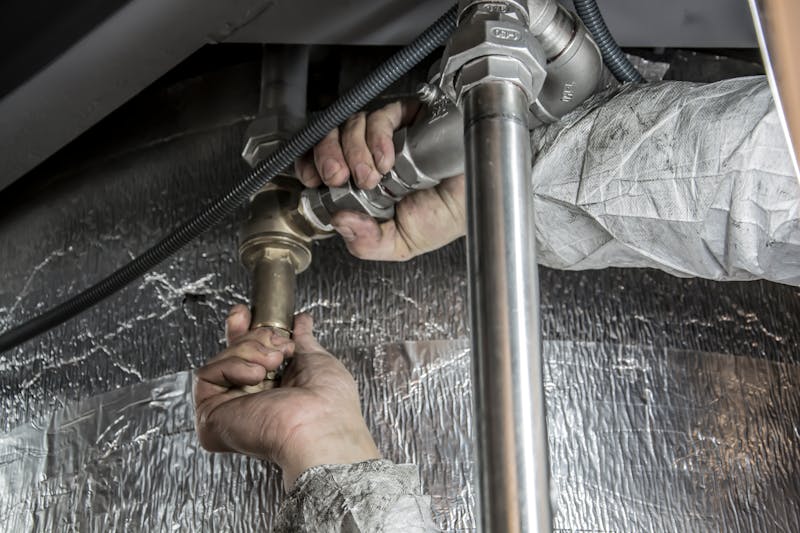
Tank models come in electric or natural gas versions, with gas units offering faster recovery times - important in larger Canadian homes where multiple showers might run simultaneously.
What Are Tankless Water Heaters?
Tankless water heaters, also called on-demand or instantaneous systems, heat water only when you need it. Instead of storing hot water, they use powerful heating elements to warm water as it passes through the unit, delivering hot water on demand with minimal standby energy loss.
Key Features:
- Compact size - ideal for smaller homes and apartments
- No storage tank means no water sitting idle
- Endless hot water supply (as long as flow rate isn't exceeded)
- Available in electric, natural gas, or propane models
- Longer lifespan than traditional tanks
Tankless units are particularly popular in provinces like British Columbia and Alberta, where energy-conscious homeowners prioritize efficiency and space savings.
Cost Comparison: Initial Purchase and Installation
Traditional Tank Water Heaters:
- Unit cost: $400–$1,200 CAD
- Installation: $300–$800 CAD
- Total: $700–$2,000 CAD
Tank installation is straightforward, especially if you're replacing an existing unit with the same fuel type. Most plumbers in Ontario and Quebec can complete the job in 2–4 hours.
Tankless Water Heaters:
- Unit cost: $1,200–$3,500 CAD
- Installation: $500–$2,500 CAD
- Total: $1,700–$6,000 CAD
Higher upfront costs reflect the unit's complexity and potential installation requirements. Gas tankless units may require upgraded venting, and electric models might need electrical panel upgrades - costs that vary significantly across Canadian provinces.
Federal and Provincial Rebates: Check with your provincial utility company. Some programs in BC Hydro and Enbridge Gas offer rebates for energy-efficient water heaters, potentially reducing tankless costs by $500–$1,500 CAD.
Operating Costs and Energy Efficiency
This is where tankless systems shine for most Canadian households.
Tank Water Heaters:
- Annual energy cost: $800–$1,500 CAD (depending on fuel type and usage)
- Energy loss: 20–25% due to standby heating
- Efficiency rating: 60–70% for electric, 80–85% for gas
Tank systems continuously reheat water to maintain temperature, even when no one is using it. In cold Canadian winters, this standby loss is particularly significant.
Tankless Water Heaters:
- Annual energy cost: $500–$1,100 CAD
- Energy loss: Minimal - only heats on demand
- Efficiency rating: 85–90% for electric, 90–98% for gas
Over a 15-year lifespan, a tankless unit can save $5,000–$7,000 CAD in energy costs, offsetting the higher initial investment. These savings are even greater in provinces with higher electricity rates, such as Ontario.
Performance Factors: Flow Rate and Recovery Time
Flow Rate: Tankless systems are limited by flow rate, typically 6–8 gallons per minute (GPM) for electric units and 10–15 GPM for gas models. If you run multiple hot-water fixtures simultaneously, water temperature may drop. Families in larger homes may need multiple units or a hybrid approach.
Recovery Time: Tank systems need time to reheat water after depleting the supply. A typical 75-liter tank recovers in 30–60 minutes. Tankless units provide instant hot water but require adequate fuel supply (gas pressure or electrical capacity).
Lifespan and Maintenance
Tank Water Heaters:
- Expected lifespan: 8–12 years
- Annual maintenance: Flush tank, inspect anode rod, check pressure relief valve
- Maintenance cost: $100–$200 CAD per year
- Repairs: Rust, leaks, and heating element failures are common
Hard water, common in provinces like Alberta, accelerates sediment buildup and shortens tank life.
Tankless Water Heaters:
- Expected lifespan: 15–20 years
- Annual maintenance: Descaling (if in hard water areas), filter cleaning
- Maintenance cost: $150–$300 CAD per year
- Repairs: More complex electronics; professional servicing required
Tankless units require professional descaling in hard water regions, but fewer moving parts means fewer overall repairs.
Space Considerations
Tankless water heaters are significantly smaller - roughly the size of a breaker box. For homeowners in compact condos across Toronto and Vancouver, or those wanting to reclaim utility closet space, this is a major advantage.
Tank systems require floor space or wall mounting and clearance for maintenance and replacement. This can be problematic in older Canadian homes with limited utility space.
Regional Considerations for Canadian Homeowners
British Columbia: Mild winters and higher electricity costs make tankless electric units popular, though gas tankless systems remain efficient.
Alberta: Hard water and extreme winter temperatures favor gas tankless systems. Propane tankless units are common in rural areas.
Ontario: Higher hydro rates ($0.15–$0.20 CAD per kWh) make tankless units cost-effective. Rebate programs through local utilities are available.
Quebec: Lower electricity rates from Hydro-Quebec make electric tankless units more economical. Many homes use tank systems, but interest in tankless is growing.
Common Questions About Water Heaters
Can a tankless water heater handle a family of four?
Yes, but it depends on usage patterns. A gas tankless unit (12+ GPM) easily supplies simultaneous showers and laundry. Electric models may struggle during peak usage. Consider your household's hot-water demands before deciding.
What happens during a power outage with a tankless system?
Electric tankless units stop working. Gas tankless units with electronic ignition also require power (though some have battery backup). Tank systems retain hot water during outages, providing a temporary supply. This is worth considering in regions prone to power disruptions.
Are tankless water heaters worth it in Canada?
For most Canadian homeowners, yes - especially if you plan to stay 10+ years. Energy savings offset initial costs, and longer lifespan provides peace of mind. However, if you're renting or moving soon, a tank system may make more financial sense.
How much can I expect to save annually?
Average savings: $200–$400 CAD per year, depending on current fuel costs and usage. Over 15 years, this adds up to $3,000–$6,000 CAD in direct savings, plus reduced maintenance costs.
Making Your Decision
Choose a tank water heater if you have a tight budget, multiple simultaneous hot-water users, or plan to move soon.
Choose a tankless water heater if you prioritize long-term savings, space efficiency, and environmental impact. Ensure your home's infrastructure (venting, electrical, gas line) can accommodate the system.
Unsure which option suits your home? The experts can help. Find a Plumber Near You or Find an HVAC Contractor Near You on Local Skilled Trades to get professional recommendations tailored to your Canadian home and budget.
Local Skilled Trades Editorial
Home Services Expert