

What to Do When a Pipe Bursts: A Canadian Homeowner's Guide to Emergency Response
A burst pipe is one of the most stressful emergencies a Canadian homeowner can face. Whether it is a frozen pipe rupturing in Alberta's winter, a spring thaw break in British Columbia, or an unexpected pipe failure in Ontario or Quebec, knowing how to respond in the first 30 minutes can mean the difference between a minor repair and thousands of dollars in water damage. This guide walks you through the immediate steps to take and who to call.
Immediate Actions: The First 15 Minutes
The moments immediately following a pipe burst are critical. Your primary goal is to stop the water flow and prevent further damage to your home.
- Locate and shut off your main water supply. This is the single most important action you can take. In most Canadian homes, the main shut-off valve is located near the water meter in a basement, crawl space, or outside your home. Turning this valve clockwise will stop water from entering your home. If you're unsure where your shut-off valve is located, take time now to find it - don't wait for an emergency.
- Turn off your water heater. If the burst is on a hot water line, switching off your water heater prevents it from running dry, which can damage the appliance. For electric water heaters, flip the breaker; for gas units, turn the dial to the pilot setting.
- Open cold water taps throughout your home. This releases remaining pressure in the pipes and allows any water in the lines to drain safely.
- Turn off your electrical panel if water is near electrical outlets or appliances. Water and electricity are a dangerous combination. If you're unsure, err on the side of caution and switch off power to affected areas.
- Document the damage. Take photos and videos of the burst pipe and any water damage. This documentation is essential for insurance claims, which many Canadian home insurance policies cover for sudden, accidental water damage.
Temporary Containment and Cleanup
Once you've stopped the water flow, focus on containing the damage and removing standing water.
- Place buckets, towels, or a wet vacuum under the leak to catch dripping water.
- Remove wet items from the area, including furniture, documents, and electronics.
- Use fans and open windows to increase air circulation and begin the drying process.
- If water has pooled significantly, use a wet vacuum or pump to remove it. Standing water can lead to mold growth within 24 to 48 hours.
- Document all items damaged by the water for your insurance claim.
When to Call a Professional Plumber
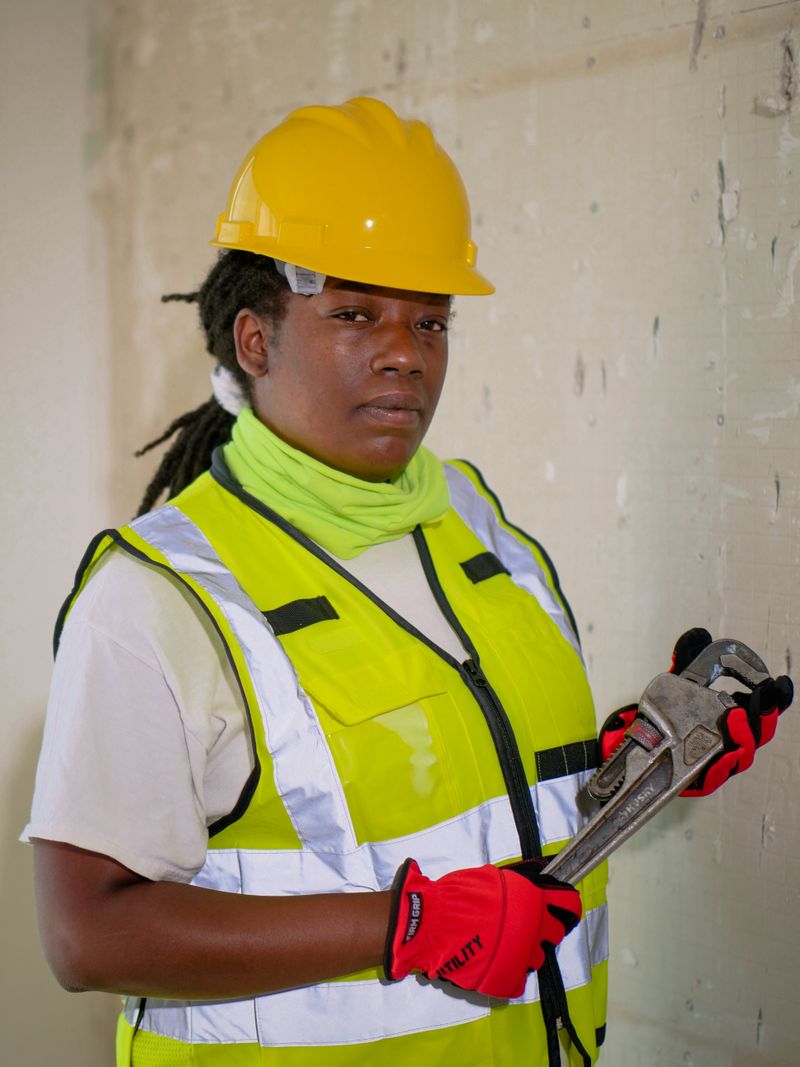
You should call a licensed plumber immediately after shutting off your water supply. In fact, many Canadian homeowners choose to call first while taking initial containment steps, as most plumbers offer emergency services 24/7.
A licensed plumber will:
- Diagnose the cause of the burst (freezing, corrosion, high water pressure, or physical damage)
- Assess whether the pipe can be repaired or must be replaced
- Check for additional damage in your plumbing system
- Recommend preventive measures for the future
Emergency plumbing costs in Canada vary by region and severity. In British Columbia and Alberta, expect to pay between $150–$300 for an emergency call-out fee, with repairs typically ranging from $300–$1,500 CAD depending on the pipe's location and accessibility. In Ontario and Quebec, similar rates apply, though major metropolitan areas like Toronto and Montreal may see higher costs. If the burst requires extensive pipe replacement or involves accessing walls or foundations, costs can exceed $3,000–$5,000 CAD.
Common Causes of Burst Pipes in Canada
Understanding why pipes burst can help you prevent future incidents.
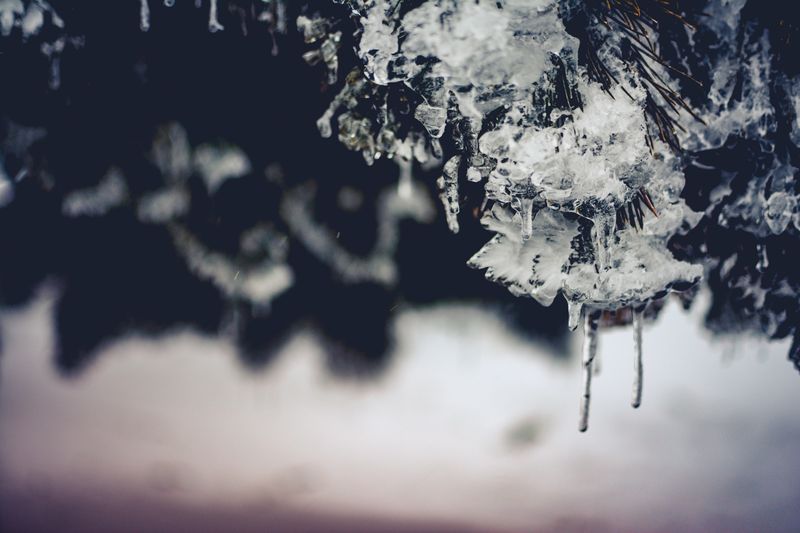
Freezing Temperatures: This is the most common cause in Canadian climates, particularly in winter months. When water inside a pipe freezes, it expands and creates pressure that the pipe cannot withstand. Uninsulated pipes in attics, crawl spaces, and exterior walls are especially vulnerable. Northern provinces like Alberta and British Columbia experience particularly harsh winters that increase freezing risk.
Corrosion: Older galvanized steel or copper pipes can corrode over time, weakening the pipe walls until they fail. Homes built before the 1980s are especially prone to this issue.
High Water Pressure: Pressure exceeding 80 PSI (pounds per square inch) can stress pipes over time. If your water pressure seems unusually strong, a plumber can install a pressure regulator to protect your system.
Physical Damage: Pipes can burst from accidental damage during renovations, from tree roots invading underground pipes, or from settling foundations.
Preventing Burst Pipes: Winter Preparation
Preventive maintenance is far less expensive than emergency repairs. For Canadian homeowners, winter preparation is essential.
- Insulate exposed pipes in basements, crawl spaces, and attics using foam pipe insulation. This costs $20–$50 per 10 feet and is one of the most cost-effective preventive measures.
- Seal air leaks around pipes to prevent cold air from reaching them. Pay special attention to areas where pipes pass through exterior walls.
- Let water drip slowly from faucets during extreme cold snaps. Moving water is less likely to freeze than standing water.
- Open cabinet doors under sinks to allow warm air to circulate around pipes, especially on particularly cold nights.
- Maintain your heating system so your home stays warm throughout winter. Even a few degrees difference can prevent freezing.
- Have your plumbing system inspected annually by a licensed professional. An inspection costs $100–$250 CAD but can identify corrosion, high pressure, or other issues before they become emergencies.
- Install a whole-house water pressure regulator if your pressure exceeds 80 PSI. Costs range from $200–$400 CAD installed.
Insurance and Your Burst Pipe
Most Canadian home insurance policies cover sudden, accidental water damage from burst pipes. However, damage from lack of maintenance, neglect, or failure to winterize your home may not be covered. Always check your policy details and contact your insurance company promptly after a burst occurs. Keep records of all repairs and replacement costs for your claim.
FAQ: Burst Pipe Questions Answered
Q: Can I repair a burst pipe myself?
A: For temporary fixes, you might use a pipe repair clamp or epoxy putty to stop a small leak short-term. However, a burst pipe requires professional replacement to ensure safety and compliance with Canadian plumbing codes. DIY repairs without proper licensing can void your insurance and create liability issues.
Q: How long does a burst pipe repair typically take?
A: Simple repairs or patches can take 1–2 hours. Full pipe replacement may take 4–8 hours or longer, depending on the pipe's location and whether walls need to be opened. Your plumber will provide an estimate after diagnosing the issue.
Q: Is a burst pipe covered by homeowners insurance in Canada?
A: Yes, sudden burst pipes are typically covered under the water damage section of most homeowners policies. However, damage from freezing is only covered if you've maintained adequate heating and taken reasonable precautions. Always file a claim promptly and retain documentation.
Q: What's the difference between a burst pipe and a slow leak?
A: A burst pipe causes immediate, visible water damage and requires emergency action. A slow leak develops over time and may not be noticed until significant damage occurs. Both require professional repair, but burst pipes demand faster response.
Conclusion: Be Prepared and Act Quickly
A burst pipe is an urgent situation, but knowing the right steps can minimize damage and reduce repair costs. Locate your main shut-off valve today, insulate vulnerable pipes before winter, and maintain your plumbing system throughout the year. When a burst does occur, act quickly: shut off your water, contain the damage, and contact a licensed professional immediately.
If you're facing a burst pipe or need a professional inspection to prevent future emergencies, Find a Plumber Near You through Local Skilled Trades. Our directory connects you with trusted, licensed plumbers across Canada who are ready to help with emergency repairs and preventive maintenance.
Local Skilled Trades Editorial
Home Services Expert