

When to Inspect Your Roof After Winter: A Canadian Homeowner's Guide
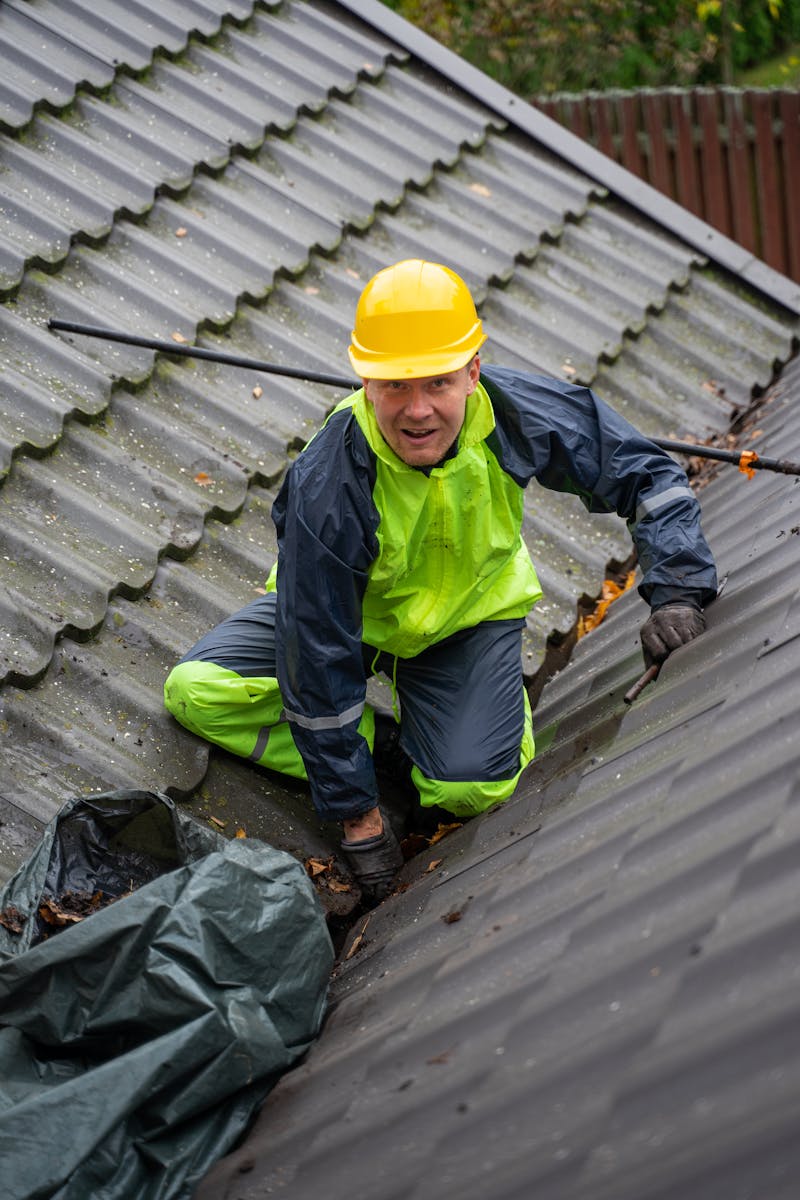
Winter in Canada is tough on roofs. From the heavy snow loads on the Alberta prairies to the freeze-thaw cycles of Ontario and the wet winters of British Columbia, your roof takes a serious beating every year without you realizing it. Spring is the ideal time to inspect your roof and catch damage before small issues become expensive structural problems. This guide explains when to do a post-winter roof inspection, what to look for, and when to call a licensed roofer.
Why Spring Roof Inspections Matter in Canada
Canadian winters present unique challenges for residential roofing. In provinces like Ontario and Quebec, repeated temperature fluctuations cause shingles to expand and contract, weakening their seals. British Columbia's heavy rainfall combined with temperature swings accelerates water damage. Alberta's dry, cold winters can make roofing materials brittle and prone to cracking.
A spring inspection allows you to identify damage caused by winter weather before the spring thaw causes interior water damage. According to industry experts, early detection of roof problems can save homeowners between $500 to $3,500 CAD in preventive repairs, compared to $5,000 to $15,000 CAD in emergency roof replacement or water damage remediation.
The Best Time to Schedule a Roof Inspection
Timing is critical for spring roof inspections. The ideal window is late March through mid-May, depending on your province:
- British Columbia: Late March to early April, as snow melts earlier on the coast
- Alberta: Late April to early May, after the risk of heavy snowfall has passed
- Ontario and Quebec: Mid-April to May, once winter weather has fully subsided
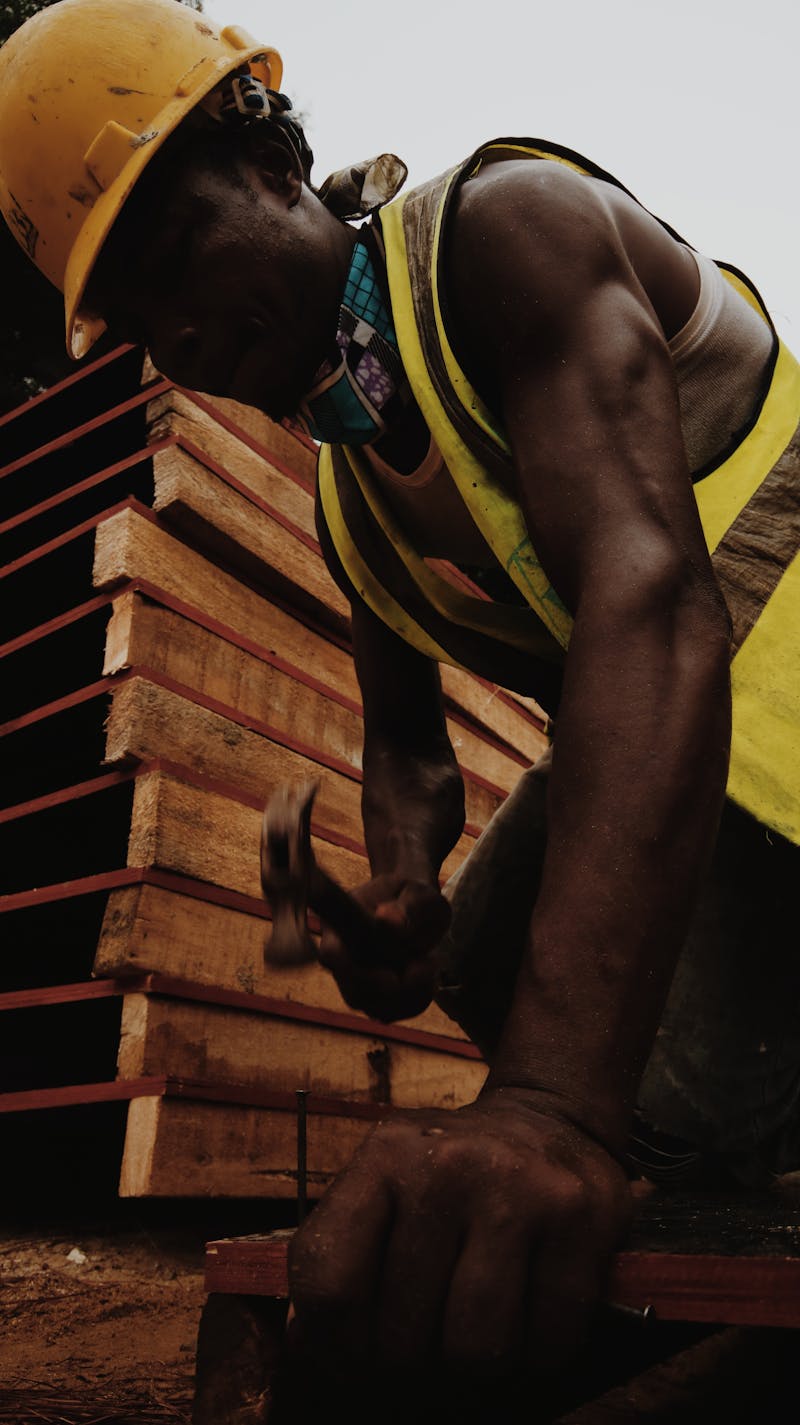
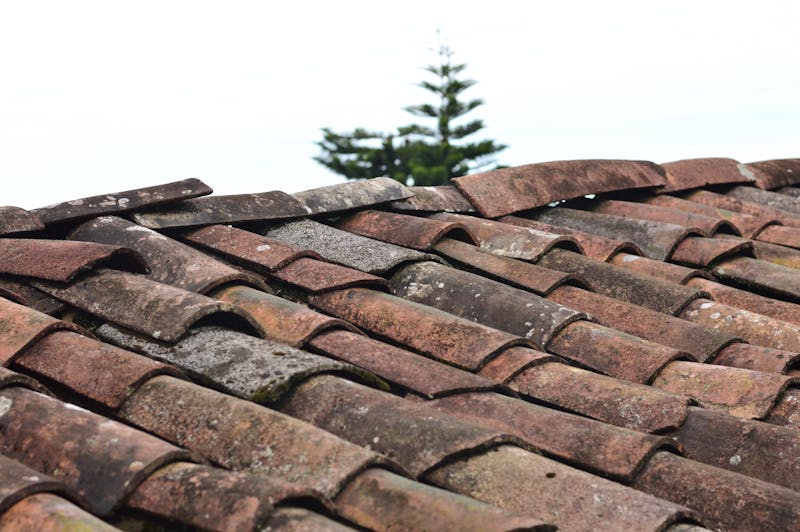
Avoid scheduling inspections immediately after heavy snowfall or during rainy periods, as wet conditions make roofs slippery and dangerous. Wait at least two to three days after precipitation for the roof to dry properly.
What to Look for During Your Roof Inspection
Whether you're doing a visual inspection from the ground or hiring a professional, knowing what to check will help you identify potential problems early.
Signs of Winter Damage
- Missing or Damaged Shingles: Winter wind and ice can dislodge shingles. Look for bare spots on your roof or shingles in your gutters and yard.
- Cracked or Curled Shingles: Freeze-thaw cycles cause shingles to crack or curl at the edges. These compromised shingles allow water penetration.
- Ice Dam Damage: Common in Ontario and Quebec, ice dams cause water to back up under shingles. Check for water stains on interior ceilings and walls near the roofline.
- Granule Loss: If your gutters are filled with dark granules (the protective coating on asphalt shingles), your roof may be nearing the end of its lifespan.
- Moss or Algae Growth: British Columbia's humid climate encourages moss growth, which can retain moisture and damage shingles over time.
- Flashing Issues: Metal flashing around chimneys, vents, and skylights can crack or separate, creating water entry points.
- Sagging Roof Deck: Heavy snow loads may have caused the roof structure to sag slightly. Significant sagging indicates structural issues requiring immediate professional assessment.
Safety First: When to Call a Professional
While homeowners can perform a ground-level visual inspection, never climb onto your roof without proper training and equipment. Professional roofers have the expertise, insurance, and safety gear to assess your roof accurately and safely.
Professional roof inspections in Canada typically cost between $200 to $500 CAD, depending on roof size and complexity. This investment is worthwhile for:
- Roofs with steep pitches or multiple levels
- Homes with existing water damage or interior staining
- Roofs over 15 years old
- Properties in areas prone to severe winter weather
Many insurance companies in Canada recognize the value of spring inspections and may offer discounts on premiums for homeowners who maintain their roofs proactively.
Common Winter Roof Problems by Region
British Columbia: Wet winters create conditions for moss and algae growth. Homeowners should ensure proper roof ventilation and consider treatment to prevent organism growth. Replacement costs range from $8,000 to $18,000 CAD for a typical residential roof.
Alberta: Dry, cold winters can make roofing materials brittle. High winds on the prairies may damage flashing or lift shingles. Roof replacement typically costs $7,500 to $16,000 CAD depending on materials and square footage.
Ontario: Freeze-thaw cycles and ice dams are the primary concern. Homes should have proper attic insulation and ventilation to prevent ice dam formation. Professional roof assessments cost $250 to $450 CAD, with replacements ranging from $9,000 to $20,000 CAD.
Quebec: Heavy snow loads and ice dams require robust roof structures. Many Quebec homes benefit from metal roofing, which handles winter weather better. Budget $10,000 to $22,000 CAD for professional roof replacement.
Steps to Take After Your Inspection
Once you've identified issues, prioritize repairs based on severity:
- Critical Issues (Repair Immediately): Missing shingles, active leaks, flashing separation, or structural damage require urgent attention to prevent interior water damage.
- Moderate Issues (Repair Within 6 Months): Cracked shingles, granule loss, and minor moss growth should be addressed before the next winter season.
- Long-Term Planning (Plan for Next 2–5 Years): If your roof is approaching 15–20 years of age and showing signs of wear, budget for replacement within the next few years. A typical asphalt shingle roof lasts 15–25 years in Canada's climate.
Preventive Maintenance for Year-Round Roof Health
Spring inspections are just one part of roof maintenance. Establish these habits to extend your roof's lifespan:
- Clean gutters: Remove leaves and debris at least twice yearly (spring and fall) to prevent water backup and ice dam formation.
- Trim tree branches: Overhanging branches drop debris and shade your roof, creating conditions for moss growth.
- Ensure proper ventilation: Good attic ventilation prevents moisture buildup and ice dam formation, especially important in Ontario and Quebec.
- Check caulking: Inspect and reseal flashing annually to maintain a watertight seal.
Frequently Asked Questions About Spring Roof Inspections
Q: Can I inspect my own roof, or do I need to hire a professional?
A: You can perform a visual inspection from the ground, but professional inspections are safer and more thorough. Professionals identify hidden damage and provide documentation useful for insurance claims or resale.
Q: How much does roof replacement cost in Canada?
A: Asphalt shingle roof replacement averages $8,000–$20,000 CAD depending on roof size, pitch, and your province. Premium materials and complex designs cost more.
Q: What's the average lifespan of a roof in Canada?
A: Asphalt shingle roofs typically last 15–25 years. Metal roofs can last 40+ years. Canadian winters can shorten lifespan by 2–5 years compared to milder climates.
Q: Will my home insurance cover winter roof damage?
A: Most policies cover sudden, accidental damage but not wear and tear. Document damage with photos and report it promptly to your insurer.
Get Your Roof Inspected Today
Spring is the perfect time to assess your roof's winter damage and plan necessary repairs. Don't wait for leaks to develop inside your home. Professional roofers across Canada are ready to help you protect this crucial investment. Visit Find a Roofer Near You on Local Skilled Trades to connect with qualified, vetted roofing professionals in your area today.
Local Skilled Trades Editorial
Home Services Expert